

Searching for a sleek, feature-rich sedan that maintains a balance between innovation and performance? The Honda Civic Touring vs BYD Seal controversy is intensifying as buyers drag a traditional favorite against a bold electric newcomer.
While the BYD Seal offers modern EV technology and futuristic styling, the Civic Touring offers proven reliability, elegant design, and remarkable fuel efficiency.
To get detailed info regarding what sets these two cars apart in today’s cutthroat market, stick to this article to the end.
About Honda Civic Touring
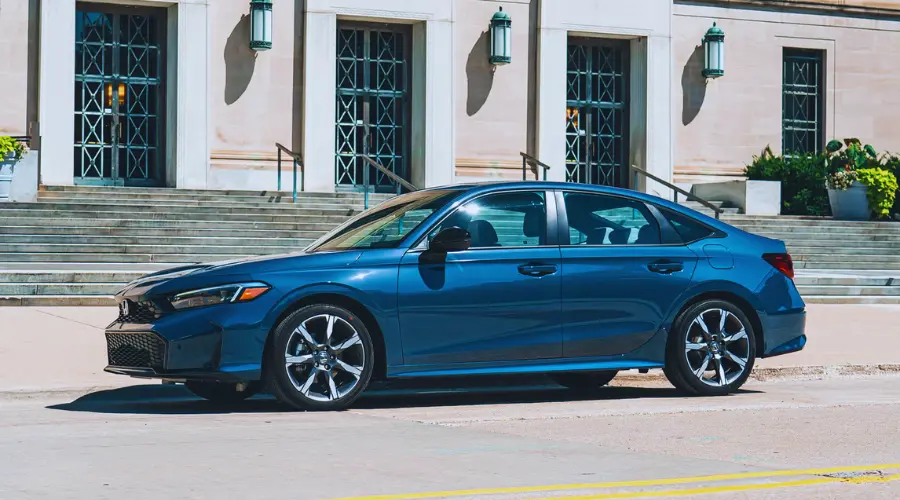
The top-tier trim of Honda’s well-liked small sedan, the Civic Touring, combines luxurious specs with daily use. Its 1.5-liter turbocharged engine produces smooth performance and remarkable fuel economy. Inside, it has a 9-inch touchscreen with wireless Apple CarPlay and Android Auto, leather-trimmed seats, and a high-end Bose audio system. Lane-keeping assistance and adaptive cruise control are two of the modern safety features that Honda Sensing delivers. For drivers looking for a premium driving experience without the premium price tag, the Civic Touring is the perfect vehicle, thanks to its elegant exterior, advanced interior, and a solid reputation for reliability.
About BYD Seal
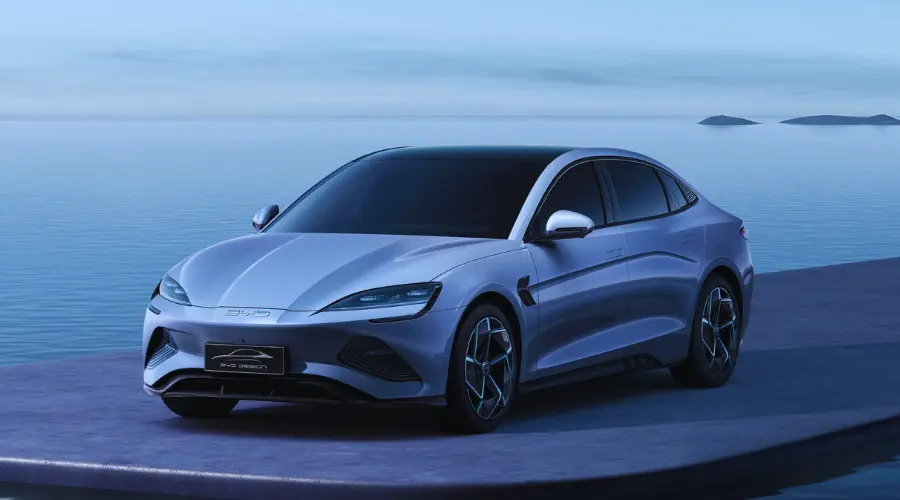
The stylish, all-electric sedan known as the BYD Seal is the company’s bold move into the international EV market. It provides a combination of performance, efficiency, and the latest technology and is built on the advanced e-Platform 3.0. The Seal improves safety and chassis rigidity by including a Blade Battery in the vehicle’s structure. There are versions with rear-wheel drive and all-wheel drive; the top model can generate up to 530 PS and accelerate from 0 to 100 km/h in just 3.8 seconds. Its luxurious cabin includes a panoramic sunroof, ventilated seats, a high-end Dynaudio sound system, and a rotating 15.6-inch touchscreen.
Price Difference
Price is a major consideration for many buyers, as the Honda Civic Touring is significantly less expensive than the BYD Seal. The Civic Touring offers a well-equipped and fuel-efficient package at a price of about ₹22.35 lakh (ex-showroom). The base RWD version of the BYD Seal, a high-end electric car, costs about ₹41 lakh, while the top-spec AWD Performance model costs ₹53 lakh. This results in a price difference between the two of almost ₹18 and ₹31 lakh. When compared to the Civic, the Seal’s electric drivetrain, advanced technology, and superior performance features represent the majority of the difference.
Dimensions Of Honda Civic Touring vs BYD Seal
The Honda Civic Touring has dimensions of 4,673 mm in length, 1,801 mm in width, 1,415 mm in height, and 2,736 mm in wheelbase. With dimensions of 4,800 mm in length, 1,875 mm in width, 1,460 mm in height, and a wheelbase of 2,920 mm, the BYD Seal is notably larger in comparison. In contrast to the Civic, the Seal is 127 mm longer, 74 mm wider, 45 mm taller, and has 184 mm more wheelbase. The larger cabin and improved road presence result from the larger size, which gives the BYD Seal an advantage in terms of overall proportions and interior comfort. The ground clearance of the Honda Civic is 134 mm, whereas the BYD Seal’s is 145mm.
Features And Specifications Difference
With a 1.5L turbocharged petrol engine that generates 180 horsepower and 240 Nm of torque, the Honda Civic Touring comes with a CVT for seamless operation and fuel economy. Adaptive cruise control, lane-keeping assistance, a 12-speaker Bose sound system, dual-zone climate control, leather upholstery, a 9-inch touchscreen, wireless Apple CarPlay, Android Auto, and Honda Sensing safety features are all included in its luxurious interior. Those looking for an elegant, tech-savvy, and fuel-efficient daily driver will love it.
The BYD Seal, on the other hand, is a high-performance electric sedan that comes in a variety of models. The top model is capable of producing 670 Nm of torque and 530 horsepower. BYD seal interior has a premium EV platform, ventilated seats, a 12-speaker Dynaudio system, a rotating 15.6-inch touchscreen, and a panoramic sunroof. It has nine airbags, advanced driver assistance systems, long-range, and fast charging support. The Seal is aimed at drivers seeking luxury, technology, and modern EV performance.
Mileage, Powertrain, And Engine Battle
The Honda Civic Touring is powered by a 1.5-liter turbocharged petrol engine that produces 180 horsepower and 240 Nm of torque. It is connected to a CVT for smooth and effective driving. It is a cost-effective option for daily use due to its remarkable mileage of about 17–18 km/l. The Civic’s petrol engine is reliable, well-maintained, and set for both city and highway driving.
The BYD Seal, on the other hand, is a fully electric sedan that comes in single- and dual-motor models. While the performance AWD model can generate up to 530 horsepower and 670 Nm of torque, the base model only produces about 204 horsepower. Depending on the model, it has a stated range of 570–650 km between charges, and it can be charged quickly.
Safety Features
Honda Sensing, a full suite of safety features that includes adaptive cruise control, lane-keeping assistance, collision mitigation braking, and road departure mitigation, is included in the Honda Civic Touring. In addition, it has blind-spot monitoring, a rearview camera, and several airbags, providing reliable safety for daily driving.
However, the BYD Seal goes above and beyond with advanced safety technologies like Level 2 ADAS, nine airbags, adaptive cruise control, lane centering, collision warning, and emergency braking. It has a 5-star NCAP safety rating as well. Compared to traditional configurations, the Seal’s EV-specific safety features—such as battery protection and structural rigidity from its Blade Battery design—significantly improve safety for passengers.
Conclusion
What matters most to you will decide whether you choose the BYD Seal or the Honda Civic Touring. A safe and fashionable option, the Civic Touring is a well-known sedan that is trustworthy, fuel-efficient, and well-rounded. However, with modern technology, exciting performance, and futuristic features, the BYD Seal is a distinctive choice if you’re prepared to step into the world of electric vehicles. Both provide excellent experiences in their own unique ways; the only difference is whether you prefer modern innovation or traditional comfort.
FAQ
1. Which car is more fuel-efficient: the Honda Civic Touring or the BYD Seal?
A. The Honda Civic Touring offers around 17–18 km/l with its petrol engine. The BYD Seal, being fully electric, doesn’t use fuel but offers up to 650 km of range per charge, making it more efficient long-term for EV-friendly users.
2. Is the BYD Seal faster than the Honda Civic Touring?
A. Yes. The BYD Seal Performance variant can go from 0–100 km/h in about 3.8 seconds, while the Civic Touring is not designed for speed, focusing more on comfort and economy.
3. Which car has more advanced technology?
A. The BYD Seal leads with features like a rotating 15.6″ touchscreen, OTA updates, and advanced ADAS. The Civic Touring has solid tech like a Bose system and Honda Sensing, but is less futuristic.
4. What’s the maintenance difference between the two?
A. The Civic Touring has traditional service needs like oil changes. The BYD Seal, being electric, has fewer moving parts, which typically means lower maintenance costs over time.
5. Which is better for long-term ownership?
A. If you want a low-cost, familiar option, the Civic Touring is great. If you’re ready to invest in EV infrastructure and enjoy advanced features, the BYD Seal is future-forward and rewarding.