

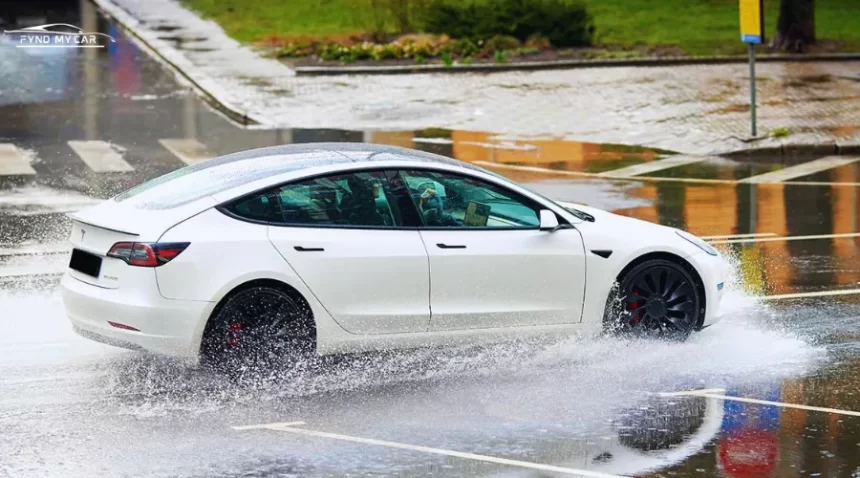
Are you searching for effective Car Flood Protection Tips to safeguard your vehicle during heavy rains and unexpected flooding? Water damage can seriously harm your car’s interior, electrical systems, and engine, often causing expensive repairs or possibly the vehicle’s destruction.
Fortunately, you can greatly reduce these risks if you take the right safety measures. Five great flood protective measures for cars that are both possible and simple to implement will be covered in this article.
5 Pro Car Flood Protection Tips
Are you concerned that floods might harm your vehicle? Learn 5 expert flood protection tips for cars to protect your car during heavy rains. Discover easy ways to reduce water damage and stay clear of expensive repairs. In any situation where flooding is a possibility, be ready and keep your car safe.
1. Choose Safe Parking Spots
Parking in flood-prone areas or during periods of heavy rain can have a major effect. A small amount of water can seep into your car and damage the engine, brakes, or electronics, so stay away from low-lying areas, riverbanks, and streets that are known to experience waterlogging. If at all possible, park in elevated driveways, multi-level parking garages, or higher ground. The car’s underbody, sensors, and corrosion can all be impacted by unexpected flooding. In addition to securing your car, taking a few more minutes to find a safe location will eventually save time, money, and stress.
2. Install Flood Protection Accessories
Damage can be decreased with several flood protection accessories. Water soaking into the car’s interior can be avoided with waterproof seat covers and floor mats. Coatings for the engine and underbody reduce rust caused by exposure to water. In an effort to help keep water out of the engine during small floods, some drivers also purchase high-mounted air intakes. If water starts to build up inside, it can also be helpful to have a portable car pump or water suction device with you. These add-ons are inexpensive and offer an additional degree of security that can prevent thousands of bucks in repairs.
3. Keep Emergency Supplies Handy
Floods are often sudden and unpredictable, so being prepared is key. Keep an emergency kit in your car with essentials like a flashlight, waterproof gloves, a tow rope, and a first-aid kit. A mobile phone charger and a portable power bank are important in case you need to call for help. Additionally, a small toolkit and water-absorbing towels can help remove minor water intrusion quickly. Having these supplies on hand ensures that you can react quickly, stay safe, and protect your vehicle from worsening damage. Being proactive reduces panic and increases your confidence during emergencies.
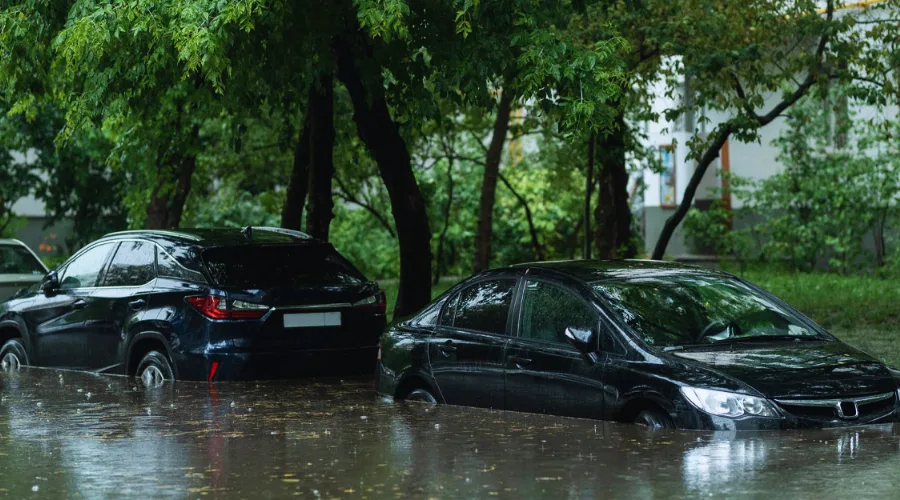
4. Avoid Driving Through Flooded Areas
One of the most important rules for car safety during floods is to never drive through standing or flowing water. Even a few inches of water can cause serious engine or transmission damage, stall your vehicle, or sweep it away in strong currents. Water entering the car can damage electrical systems, brakes, and interior components. If you encounter a flooded road, the safest option is to turn around and take an alternate route. Patience is crucial—no destination is worth risking your car or your life. Remember, vehicles are not designed to drive through water deeper than a few inches.
5. Regular Maintenance and Checks
Routine maintenance is essential to keep your car flood-ready. Well-maintained brakes, tires, and engine systems perform better in wet conditions. Check seals around doors and windows to prevent water leakage into the cabin. Inspect the car’s underbody for signs of rust, corrosion, or previous water damage. Ensuring that your vehicle is in good condition enhances its resilience against flood damage. Preventive measures, such as changing worn-out seals or servicing critical systems, can save you from expensive repairs and prolong the life of your car.
Conclusion
Floods can cause terrible damage, but you can protect your car and avoid expensive repairs by taking the proper precautions. Water damage risks can be greatly reduced by avoiding flooded roads, installing protective accessories, keeping emergency supplies on hand, choosing safe parking spaces, and doing routine maintenance. With the help of these five best car flood protection tips, you can drive with confidence during heavy rains and unexpected flooding. Make flood protection a regular part of your routine today; drivers who are prepared are always safer.
FAQ
1. Can driving through floodwater damage my car?
A. Yes. Even shallow water can enter the engine, transmission, and electrical systems, causing serious damage. Driving through flooded roads also increases the risk of losing control of the vehicle. It’s always safer to avoid flooded areas.
2. What are the best places to park my car during heavy rains?
A. Park your car on higher ground, in multilevel parking garages, or elevated driveways. Avoid low-lying areas, streets prone to waterlogging, and riverbanks to reduce the risk of flood damage.
3. Are car flood protection accessories really necessary?
A. Yes. Accessories like waterproof floor mats, seat covers, engine coatings, and underbody treatments help prevent water damage and corrosion, protecting your car’s interior and mechanical systems.
4. What emergency items should I keep in my car during floods?
A. Keep a flashlight, waterproof gloves, a first-aid kit, a tow rope, a mobile phone charger, and a portable power bank. These items help you respond quickly to emergencies and reduce potential flood damage.
5. How can regular maintenance help protect my car from floods?
A. Routine maintenance ensures brakes, tires, engine, and seals are in good condition, making your car more resilient to water exposure. Inspecting for rust and sealing leaks reduces the risk of costly flood-related repairs.