

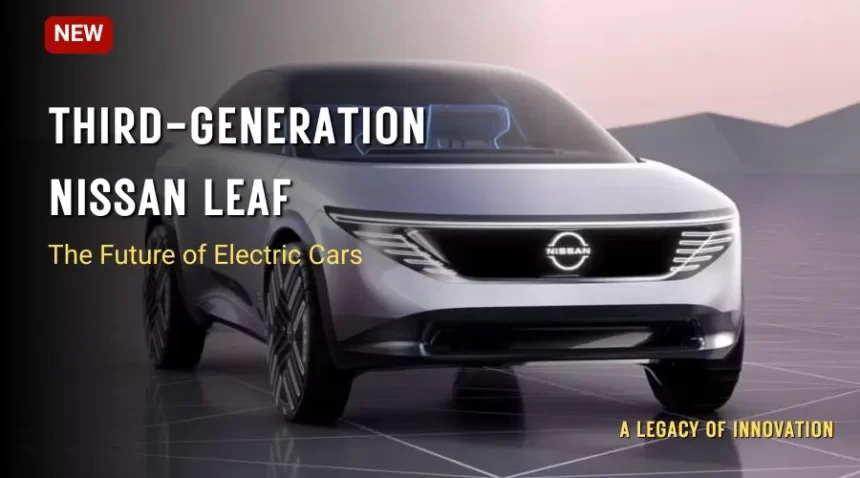
The electric vehicle (EV) is set to be replaced by the third-generation Nissan Leaf. Since the introduction of the first Nissan Leaf in 2010, Nissan has been a leader in the development of electric vehicles. With Nissan’s next model, the brand is poised to improve performance, battery life, and technology, helping people make electric vehicles more accessible for everyday use.
A Legacy of Innovation
Since its first generation, the Nissan Leaf has come a long way. The first model launched with a 24 kWh battery and has a range of about 73 miles (117 km). In 2027, the second generation launched and has improved battery capacity and range, providing up to 226 miles (364 km) per charge. The third-generation Nissan is all set to hit the boundaries even further.
What to Expect from the Third-Generation Nissan Leaf?
Industry experts predict that the Nissan Leaf will feature major upgrades in battery technology, range, and design.
1. Enhanced Battery and Range
With improvements in battery technology, third-generation Nissan is expected to offer a single charging range of more than 300 miles (483 km). This will be a significant increase over the standard Nissan Leaf Plus, which has a maximum range of 226 miles (364 kilometers).
2. Sleek and Modern Design
Being inspired by Nissan’s Ariya SUV, the new Nissan Leaf is all set to have a more futuristic and aerodynamic design. Ultimately, improves efficiency and increases driving range.
3. Faster Charging and Improved Battery Life
Preference increases in Electric Vehicle adoption with the support of fast charging infrastructure. Third-generation Nissan might support more rapid charging through DC fast charging as its batteries promise reduced charging times and improved lifespan with better chemistry.
4. Advanced Driver-Assistance and Connectivity
It is expected that Nissan’s ProPILOT Assist will receive an upgrade to have even better capabilities for semi-autonomous driving. The new Nissan Leaf would also promise to make the user experience and efficiency much more seamless with more connectivity options.
5. Eco-Friendly Materials and Sustainability
The brand “Nissan” is committed to sustainability, and the upcoming model will most likely include more eco-friendly materials. In addition, the brand will also ensure battery recycling programs to reduce environmental impact.
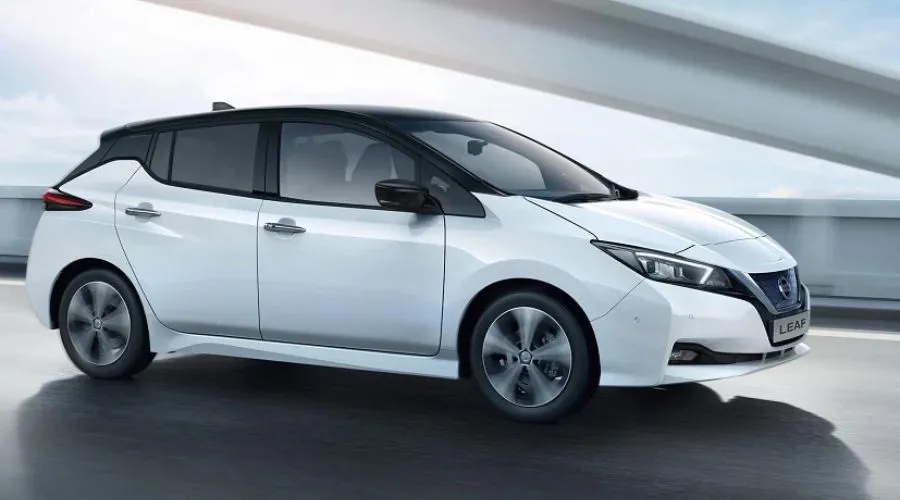
Nissan Leaf Gen 1 Vs Gen 2 Vs Gen 3
Refer to the below table for a comparison of the three generations of the Nissan Leaf.
| Feature | First Generation (2010) | Second Generation (2017) | Third-Generation Nissan (Expected) |
| Battery Capacity | 24 kWh | Up to 62 kWh | 70-80 kWh (Expected) |
| Range | ~73 miles (117 km) | Up to 226 miles (364 km) | 300+ miles (483 km) |
| Charging Time | 8-10 hours (Level 2) | 7.5 hours (Level 2) | Faster DC charging |
| Design | Compact Hatchback | More refined, aerodynamic | Sleek, futuristic |
| Technology | Basic EV features | ProPILOT Assist, better infotainment | Advanced semi-autonomous driving |
Why the New Nissan Leaf Matters
The EV business is expanding quickly in the modern world, and competition from companies like Tesla and Hyundai is getting more fierce. The Nissan Leaf is a well-known and reliable electric vehicle in the world.
The Nissan Leaf could further strengthen Nissan’s position by offering:
- A more affordable option to high-priced electric vehicles
- Best option for long-distance travel
- Excellent feature at a competitive price
Conclusion
The Nissan Leaf is all set to hit the EV market with excellent battery technology, range, and overall performance. People are waiting for the official details. With this new model, Nissan is probably going to make electric mobility even more accessible and useful, though official details are still pending. The future of electric vehicles may be significantly influenced by the new Nissan Leaf.
FAQs
How many generations of Nissan Leaf are there?
Till now, there are two generations. The third one is about to hit the electric market.
What is the disadvantage of the Nissan Leaf?
There are two disadvantages of Nissan Leaf: Limited range and slow charging.
How long do Nissan Leaf batteries last?
The owner of the car should expect it to last around 10 years.
Is the Nissan Leaf a Japanese car?
Production began in Japan in October 2020, with deliveries starting in the US and Japan in December.