
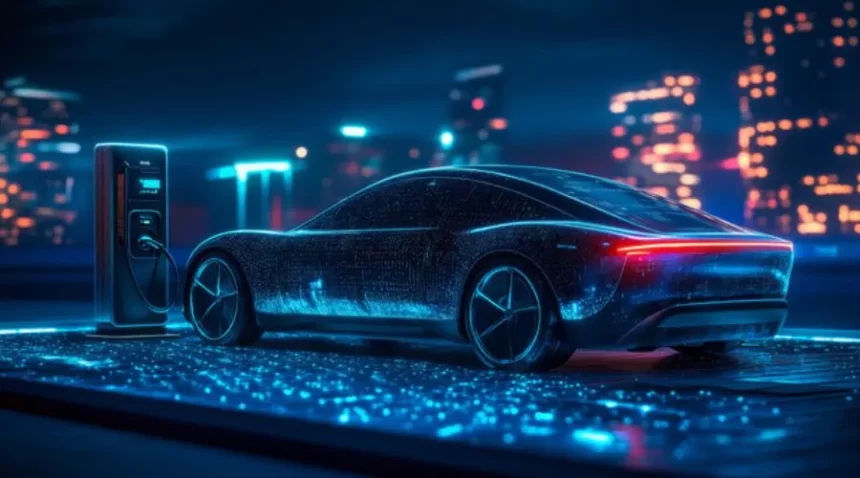
The world of automobiles is quickly changing into the electric vehicles (EVs), and India is not an exception. As the environmental issues grow, the cost of fuel goes up, and the technological progress advances, EVs are turning into the favorite of the contemporary drivers. Yet what is really special about them? Let us explore the benefits of electric cars and learn the reasons why the solution is a good idea.
Reduced Operating expenses
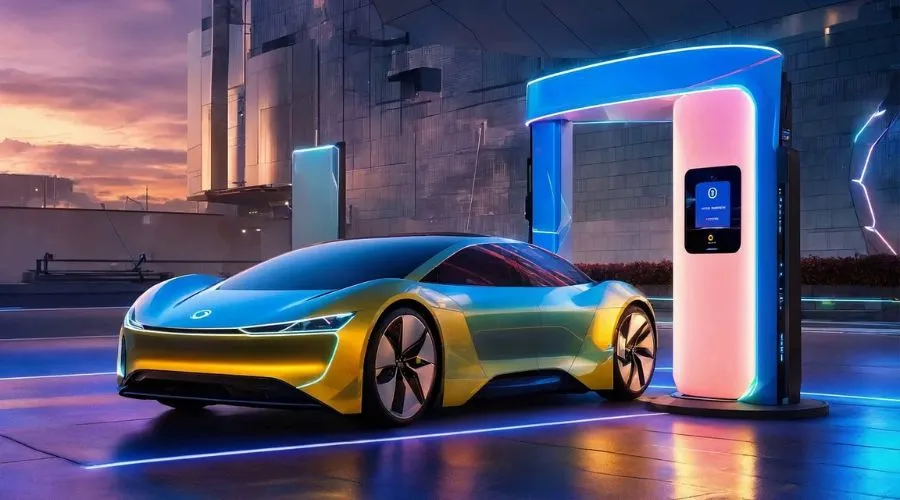
The advantage of lower running cost as compared to the usual petrol or diesel cars is one of the greatest advantages of owning an EV. EVs possess less moving components, which will lower their maintenance needs in the form of engine oil changes, timing belts, and the use of fuel filters. At-home charging is much less expensive than petrol or diesel fueling, and as the number of fast chargers increases, moving over longer distances is becoming easier. Moreover, government incentives and tax exemptions allow EV buyers in India to make it even more affordable.
Going Green with your Car
Electric cars have a zero tailpipe emission meaning that they do not emit harmful gases such as CO2, nitrogen oxides, or particulate matter when driven. This is translated to the cleaner air in urban areas, reduction of noise pollution and beneficial effects on the health of the people. Making the change to an EV is an easy, but effective, way of trimming down their carbon footprint and helping to create a sustainable future to the more environmentally-conscious Indians.
High-technology and Smoothness
The contemporary EVs are fitted with advanced technological features including the use of regenerative braking system to instant torque to accelerate smoothly. Most of them provide superior infotainment, driver aids and peaceful and vibrationless rides that make the long trips to work and long journeys more comfortable. Having home charging advantages, people will be able to charge their EV at night without the need to drive to fuel stations, and so on.
Lifestyle and Convenience
EVs are not only a matter of technology, but they provide a new meaning of comfort and city movement. The silent action, immediate acceleration and vibration are quality of smooth and enjoyable drive. EVs silence and low maintenance are very favored by urban commuters who find them perfect in the city traffic. Moreover, such functions as the ability to control by smartphone apps, pre-conditioning of the climate remotely, and automatic updates make life more convenient and integrate with the style.
India Policy Support and Incentives
Indian government catalyzes the implementation of EVs via subsidies, tax deductions, and incentives in initiatives such as FAME II. The buyers will have access to monetary incentives such as decreased GST rates and exemption on registration charges in some of the states. Not only they reduce the cost at the beginning, but also promote their use further, which makes EVs a very economically and ecologically reasonable decision.
Conclusion
Electric cars are not merely a fad, they are the car of tomorrow in India. EVs have significantly better advantages over standard vehicles in terms of lower running costs, green benefits, sophisticated technology, and government subsidies. Whether it is an urban commuter or a family driver or a technology enthusiast, a switch to an EV guarantees a sustainable, affordable and enjoyable driving experience. The smart thing to do today is to go green and feel the electric revolution!
How much money do you save if you have an electric car?
Using an electric vehicle can help you save money in many ways, for example, maintenance costs, fuel costs, tax savings, regenerative braking, etc.
How much tax I can save on an electric car?
Electric vehicle owners can claim tax savings of up to ₹1.5 lakh on interest paid on their EV loan under Section 80EEB of the Income Tax Act. However, take note that the 80EEB deduction has several limitations and requirements related to the loan issuer and EV.
Is it cheaper to use electric vehicles?
According to a 2020 Consumer Reports study, users of electric vehicles typically spend roughly 60% less on fuel annually than drivers of gas-powered vehicles.