
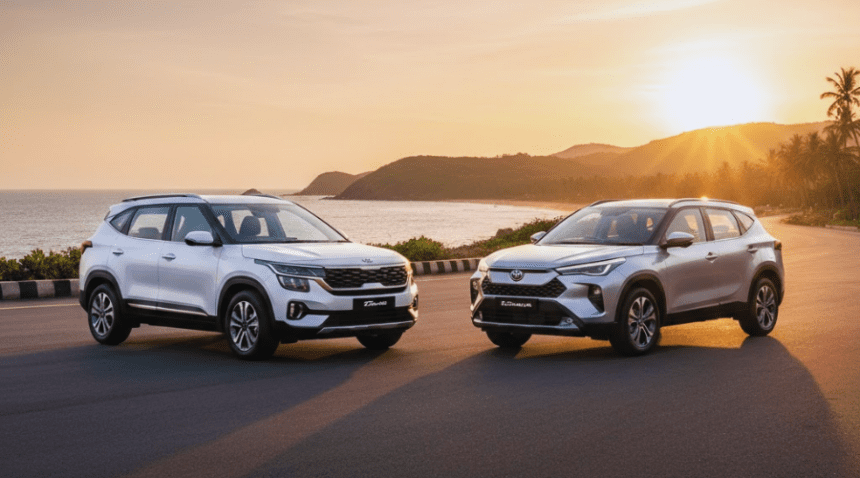
Have you ever wondered if you could enjoy the silent, smooth glide of an electric car without ever having to worry about finding a charging station on a long road trip? This is the exact question many Indian car buyers are asking as we head into 2026.
While electric vehicles are growing, the reality of public charging in India can still be a bit of a headache. This is why “Strong Hybrids” have become the true heroes for families who want incredible mileage, often over 25 kmpl, without changing how they drive.
By 2026, the market of hybrid cars under 25 lakhs has finally matured, offering everything from sleek sedans to massive family movers that run on a mix of petrol and battery power.
The Hybrid Revolution in India: Why 2026 is the Year to Buy?
Strong hybrids are the smartest middle ground for Indian roads because they address the high fuel costs while maintaining the convenience of a 5-minute petrol pump visit. For years, we only had two extremes: a petrol engine that drank fuel in city traffic or an EV that required a dedicated parking spot with a charger.
In 2026, the technology will have trickled down into more affordable segments. Unlike “mild hybrids” that only help with start-stop, the cars on this list are “Strong Hybrids.” This means they have a powerful electric motor and a battery that can drive the car on its own at low speeds. According to automotive market data, a typical hybrid SUV can save a Delhi or Bangalore commuter nearly ₹45,000 a year in fuel costs compared to a standard petrol SUV. Find out more about upcoming hybrid cars in India 2026 by reading this article.
1. Honda City Hybrid
The 2026 Honda City Hybrid continues to be the most polished sedan in its class, offering a real-world mileage of nearly 27.13 kmpl with its clever dual-motor system.
If you spend most of your time driving to the office through heavy traffic, the Honda City Hybrid is designed specifically for you. It doesn’t use a traditional gearbox. Instead, it uses two electric motors alongside a 1.5-litre petrol engine. At city speeds, the car is essentially an electric vehicle, silent and punchy.

The Human Side of the Tech
According to Honda India (2025), the “e: HEV” system is built to be invisible. You don’t have to press any buttons to switch between battery and petrol; the car decides for you. For 2026, Honda has refreshed the interior with better soundproofing and more comfortable “body-stabilizing” seats. At an expected price of around ₹20.5 lakhs to ₹23.5 lakhs on-road, it feels like a luxury car but runs on the budget of a small hatchback. It’s perfect for the person who wants to avoid the SUV trend but still wants modern efficiency.
2. Kia Seltos Hybrid
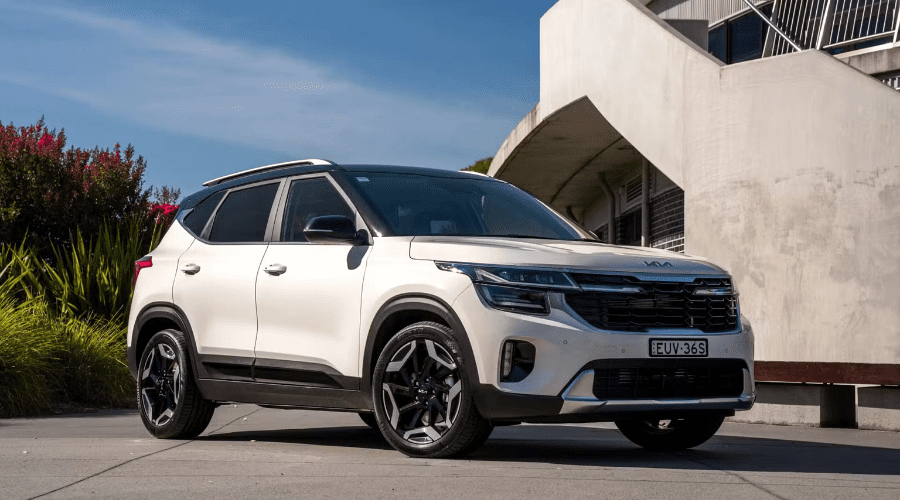
Launching in early 2026, the Kia Seltos Hybrid aims to address one complaint owners had about fuel efficiency by introducing a 1.6-litre petrol-hybrid engine that delivers 22-24 kmpl.This one of the best hybrid cars in India has always been the “cool kid” of the SUV world. It looks sharp, has the best screens, and feels very high-tech. However, in the past, the petrol versions could be quite heavy on the pocket if you drove them hard. The 2026 Hybrid version changes that completely.
What Makes it Different?
Data suggests that Kia is using its global hybrid platform for the 2026 Indian model. This means you get a much smoother driving experience. When you’re crawling in a mall parking lot or stuck at a red light, the engine stays off. The Seltos Hybrid is expected to be priced between ₹19 lakhs and ₹23 lakhs. For a family that loves road trips, this car is a dream because it combines Kia’s famous features, like the 360-degree camera and ventilated seats, with a massive driving range of nearly 1,000 km per tank.
3. Tata Curvv Hybrid
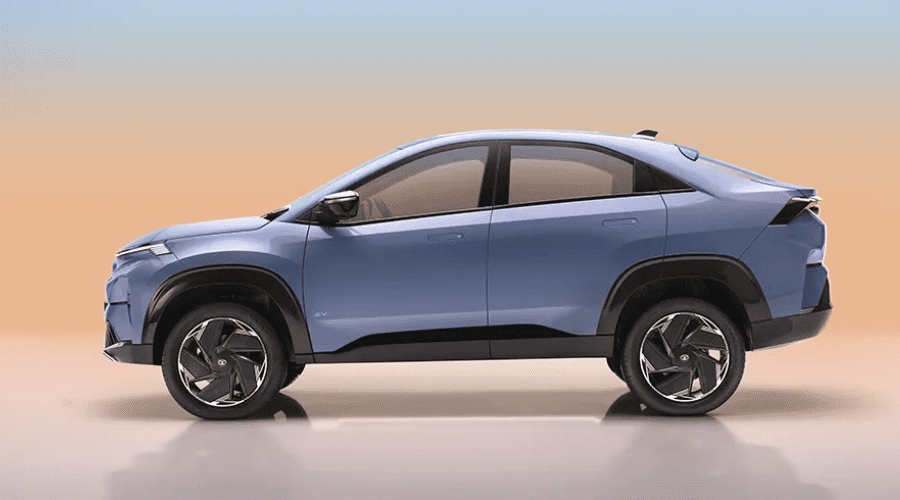
Tata is expanding the Curvv lineup in 2026 with a strong hybrid variant that targets buyers who love the “Coupe” look but aren’t ready to go fully electric yet.The Tata Curvv is easily the most unique-looking car on this list according to automotive updates. With its sloping roofline, it looks like an expensive European SUV. While Tata has pushed hard for EVs, it realized that many Indian buyers still want the security of a petrol engine. The 2026 Curvv Hybrid uses a new hybrid powertrain designed to be more “spirited” than its rivals.
Why Wait for the Curvv?
According to recent Tata Motors news (2025), their hybrid approach focuses on “torque fill.” This means the electric motor helps the car accelerate faster the moment you touch the pedal. It feels quick and lively, unlike some hybrids that can feel a bit slow. With an expected price starting around ₹18.5 lakhs for the hybrid variants, it’s a bold choice for someone who wants to stand out in the crowd while still getting 22+ kmpl.
4. Toyota Urban Cruiser Hyryder
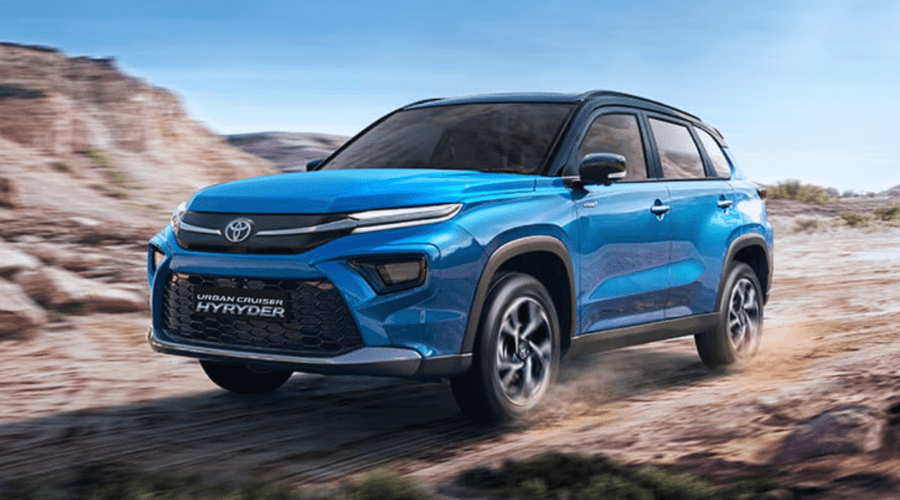
The Hyryder remains the most trusted hybrid SUV in India for 2026, consistently proving it can handle the toughest road conditions while sipping fuel at 27.97 kmpl.
Toyota practically invented the hybrid, and the Hyryder is the result of decades of experience. If your biggest fear is “Will the battery fail?” or “Will the car be expensive to fix?”, the Hyryder is your answer. It is built to be bulletproof.
The Ownership Experience
A common report from current owners is that the Hyryder feels like a “silent tank.” For 2026, Toyota has updated the infotainment system to be faster and added more premium “soft-touch” materials to the dashboard. The strong hybrid versions start around ₹16.5 lakhs and go up to ₹20 lakhs. As it shares parts with Maruti, service is easy and affordable everywhere in India. It’s the “no-nonsense” choice for a family that wants a car to last them the next 10 years without any drama.
5. Maruti Suzuki Invicto Hybrid (Base Variant)
For those with large families, the Maruti Invicto is the only way to get a one of the best hybrid cars under 25 lakhs mark in 2026.
Most hybrids are mid-sized, but the Invicto is huge. It is based on the Toyota Innova platform, known for its comfort. While the top-end models can be expensive, the “Zeta Plus” variant is expected to be priced at ₹24.9 lakh in 2026.
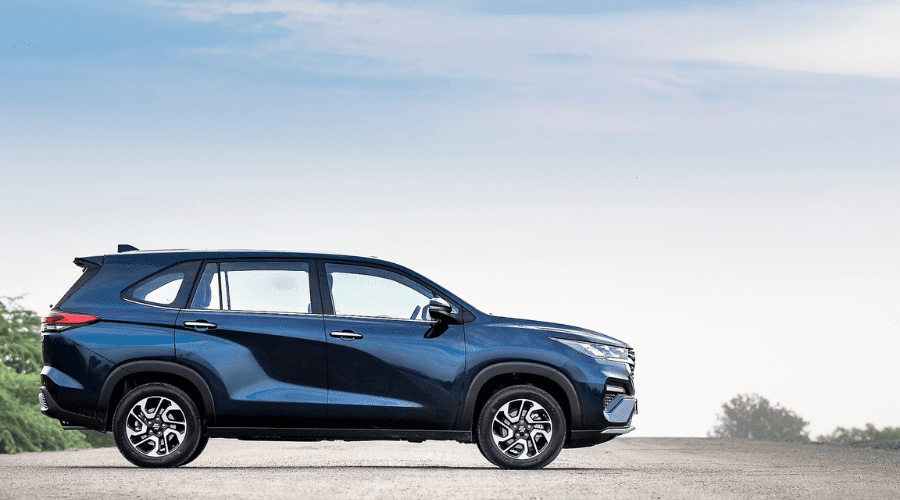
Why is it’s a Value Champion?
Even though it’s a big, heavy car, the hybrid tech allows it to give a mileage of 23.24 kmpl. In a regular petrol MUV of this size, you would be lucky to get 10 kmpl in the city. According to Maruti Suzuki N, the Invicto is for the “Grand Family.” It’s silent enough that your kids can sleep in the back, and powerful enough to climb mountain roads with 7 people on board. It turns a “big car” into an affordable daily driver.
Final Words
According to the automotive updates, with these five hybrids hitting the streets, you won’t have to choose between saving the planet and saving your weekend road trips. Whether you’re eyeing the tech-loaded Seltos or the ultra-reliable Hyryder, the “mileage math” finally works in your favor. If you want a car that’s quiet, punchy, and actually respects your budget, one of these hybrids is definitely calling your name.
FAQ
Q. Is a hybrid better than an EV for long trips?
A. Yes. For most people, a hybrid is better for long trips because you don’t have to plan your route around chargers. You can fill petrol in 2 minutes and keep going, but you still get the efficiency of an electric motor during the drive.
Q. Does the hybrid battery need to be replaced often?
A. Not at all. Most manufacturers, such as Toyota and Maruti, offer an 8-year warranty on the battery. In real-world conditions, these batteries are designed to last the entire life of the car (12-15 years).
Q. Can I drive a hybrid car in pure electric mode?
A. Yes, but only for short distances (usually 2-5 km) and at low speeds. Strong hybrids are designed to use the electric motor to help the engine, rather than replace it entirely like a full EV.
Q. Are hybrids expensive to service?
A. According to recent service data from Toyota and Honda (2025), maintenance costs for hybrids are very similar to those of regular petrol cars. In fact, your brake pads might last longer because the car uses “regenerative braking” to slow down.
Q. Why are hybrids more expensive than petrol cars?
A. The extra cost comes from having two engines, a petrol one and an electric motor, plus a high-tech battery. However, if you drive more than 1,000 km a month, the savings on fuel usually offset the extra cost within 3 to 4 years.