

EVs have transformed into a reality on the streets of the world, as opposed to an imagined concept of the future. With the recent focus on sustainability and innovation, EVs have become the harbingers of a transport revolution – indicative of clean energy, reduced operating expenses, and high-quality technology.
You might be ready to purchase your first EV or just have a look at the real advantages of electric vehicles in 2025, we present you a full picture of this issue.
Why Electric Cars are taking over the market
The emergence of electric cars is not a temporary phenomenon but a movement across the world. As the fuel prices are skyrocketing and the world tightens its emission regulations, manufacturers are quickly shifting to electric mobility.
Such brands as Tesla, Hyundai, Kia, Mercedes-Benz, BYD, and BMW are establishing new standards of performance, design and innovation, and EVs have never been more accessible and attractive.
Europe, North America and Asia are driving the EVs with incentives, infrastructure, and targets to become sustainable – EVs need to be not only clean, but also affordable and practical.
Green advantages of Electric Cars
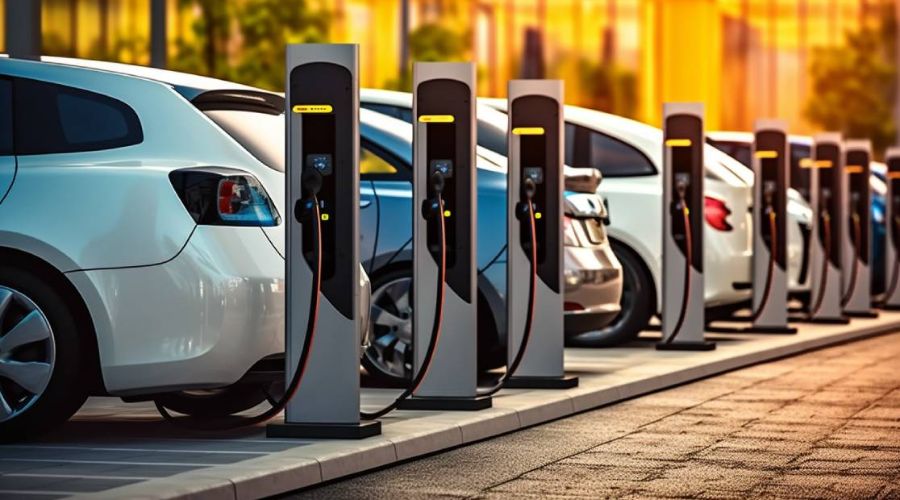
The greatest benefit of EVs is that they have zero tailpipe emissions. There is no CO2 or NO[?] produced by the electric cars, as compared to petrol or diesel cars, thus it helps in reducing air pollution and fighting climate change.
Even when electrically powered by fossil fuels, the overall carbon footprint of an EV will be 30-50% less than fossil-powered internal combustion engine (ICE) cars.
With increased incorporation of renewable energy into the countries such as solar power, wind, and hydro, EVs have become truly carbon-neutral.
Reduced Running & Maintenance Costs
Electric cars are definitely the best in terms of long-term cost-effectiveness, as compared to traditional cars.
The price of an EV is approximately one-tenth the cost of an ordinary fuel-powered vehicle. Power in the form of electricity is much less expensive than gasoline or diesel, and the cost of maintenance is reduced by up to 40%.
There’s no need for oil changes, exhaust repairs, or complex transmission servicing. Over time, EV owners save thousands in maintenance and fuel — one of the most practical benefits of going electric.
Government Tax Breaks & Worldwide EV Promotion
The current governments all around the world are in favor of EV.
Tax credit, purchase rebates, and no registration fee of electric cars are now provided in many countries.
- United States: Federal EV tax credits to $7,500.
- European Union: Incentives of grants and free parking areas within big cities.
- China: EV buying subsidies and extensive charging infrastructure.
Such efforts not only render EVs cheaper but they also hasten the process of globalization in terms of the reduction of greenhouse gas emission.
Driving Experience: Silent, Smooth, and Powerful
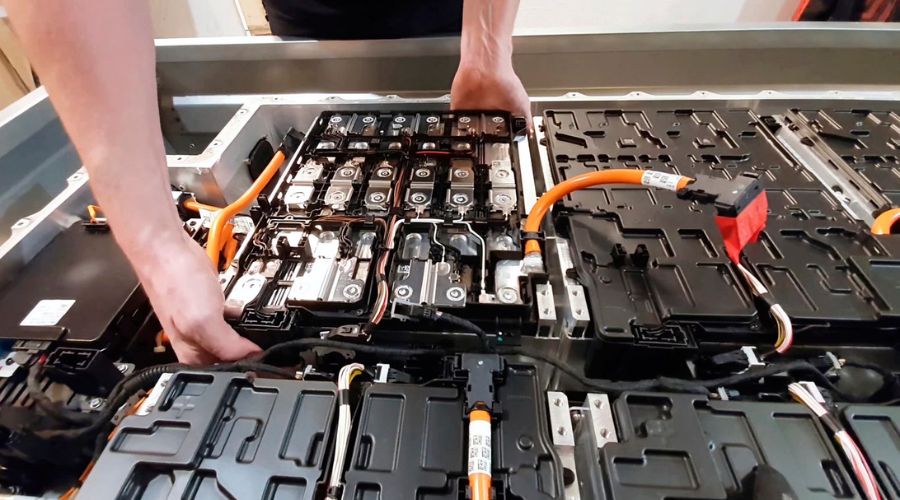
You can feel the difference in case you have ever driven an EV. Electric motors provide the immediate torque, which provides smooth acceleration and smooth and high quality driving experience.
No engine clatter, jostle, or hesitation take place, instead, there is unrestrained and seamless movement.
The latest EVs are also characterized by the latest technology:
- Regenerative braking
- ADAS Advanced driver-assistance systems.
- Smart infotainment systems
- One-pedal control and long distance connectivity.
They all redefine comfort, safety and convenience to the new generation of drivers.
Range and Charging Infrastructure
The range anxiety is soon a thing of the past.
Using the modern technology, EVs are capable of covering 400-600 km (250-370 miles) range on a single charge, depending on the model.
Rapid charging points are currently being established on large highways and cities in the majority of developed nations. Electrify America, Ionity, Shell Recharge, Tesla among others are companies that are quickly building networks all over the world.
It is also more convenient to charge at home, you can just plug in your EV at night and the next morning, it is fully charged, like how you charge your smartphone.
Energy Independence and Sustainable Future
The transition to electric cars will lower the reliance of the world on foreign oil and fossil energy.
The way to go is to move towards renewable sources of electricity generation as this will allow countries to become more energy-secure and ensure a sustainable economy.
The future of EVs is not only clean; it is circular, with the improvements of solid-state batteries, recycling, and sustainable materials, the negative impact on the environment is reduced to negligible levels during the lifecycle.
Key Specifications Snapshot (Compact EV Segment 2025)
| Specification | Typical Value |
| Battery Capacity | 50–100 kWh |
| Range per Charge | 400–600 km (250–370 miles) |
| Fast Charging Time | 30–60 minutes (80% charge) |
| Power Output | 150–300 hp |
| Running Cost | $0.02–$0.05 per km |
| Maintenance Cost | 40% lower than ICE cars |
| Popular Models | Tesla Model 3, Hyundai Ioniq 6, Kia EV6, BMW i4, BYD Seal |
Final Thoughts
Electric cars are changing the nature of driving vehicles in a smarter, cleaner and efficient way than ever before.
The EVs are the future and present of mobility with zero emissions, reduced running expenses, governmental contributions, and unbelievable performance.
It is not only an environmentally friendly move but also a viable investment in a more affordable, technology-driven, and cleaner lifestyle by switching to an electric vehicle in 2025.
The world is going electrical, and the earlier you make the conversion the higher the benefits that you reap through this revolution.