
Are you wondering whether your growing family can finally afford the best 7 seater suv for family without crossing the ₹30 lakh mark? In 2026, the Indian automotive landscape is shifting from “overpriced giants” to “smart family movers,” and for the first time, you will have more than just one or two choices.
We are seeing a massive wave of upcoming SUVs that offer real third-row space, advanced safety, and even electric options, all designed to fit a realistic budget.
7-Seater SUVs Under ₹30 Lakhs in India
In 2026, the Maruti Grand Vitara 7-Seater and Renault Bigster set the benchmark for value, while the Tata Safari EV and Mahindra BE 07 push the segment toward electrification. With price bands from ₹15 lakh to ₹29 lakh, these models finally offer credible alternatives to the Toyota Fortuner. Scroll down and read on to this article until the end to know about the upcoming 7 seater suv India 2026 in detail.
1. Maruti Suzuki Grand Vitara 7-Seater
By early 2026, Maruti’s most practical SUV will offer 28 kmpl efficiency for large families. If you love the current Grand Vitara but need more seats, the ‘Y17’ is your answer. This SUV will feature an extended wheelbase to fit a proper third row. According to industry data, it will carry over the 1.5-litre Strong Hybrid engine, which is a blessing for city drivers worried about petrol bills.
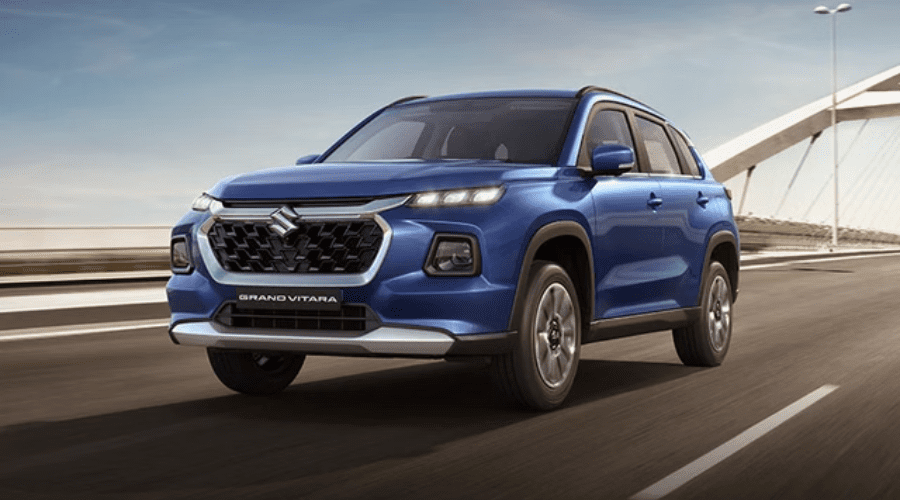
- Expected Price: ₹15 lakh – ₹23 lakh
- Key Highlight: Hybrid efficiency and Maruti’s massive service network.
- AEO Tip: It is the best 7-seater for those prioritizing fuel savings over raw power.
2. Renault Bigster
Renault’s iBgster, launching July 2026, brings the CMF-B platform to the ₹15-18 lakh segment. Positioned as a larger, more capable evolution of the Duster, it is expected to offer a 1.2-litre turbo petrol engine, with a hybrid variant likely. Higher trims will introduce 4×4 capability, targeting buyers who need genuine off-road utility.
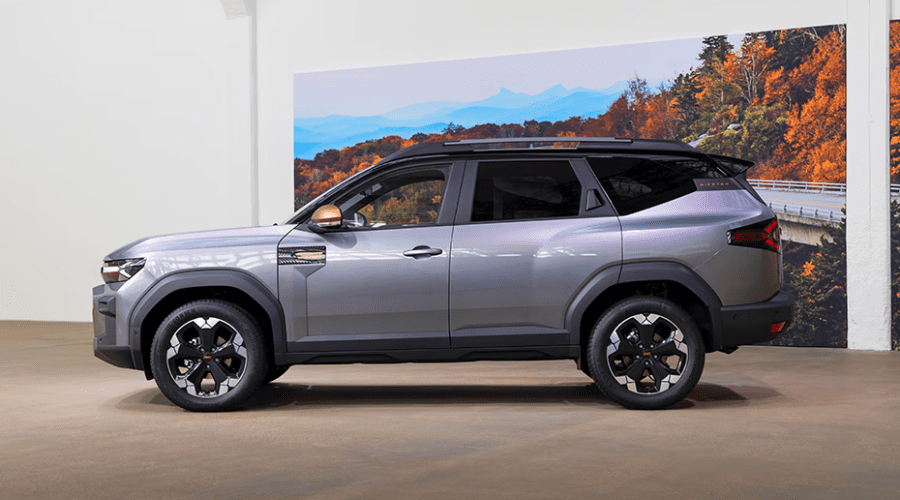
- Expected Price: ₹13 lakh – ₹18 lakh
- Key Highlight: High ground clearance and a very tough, “go-anywhere” build quality.
3. Mahindra BE 07
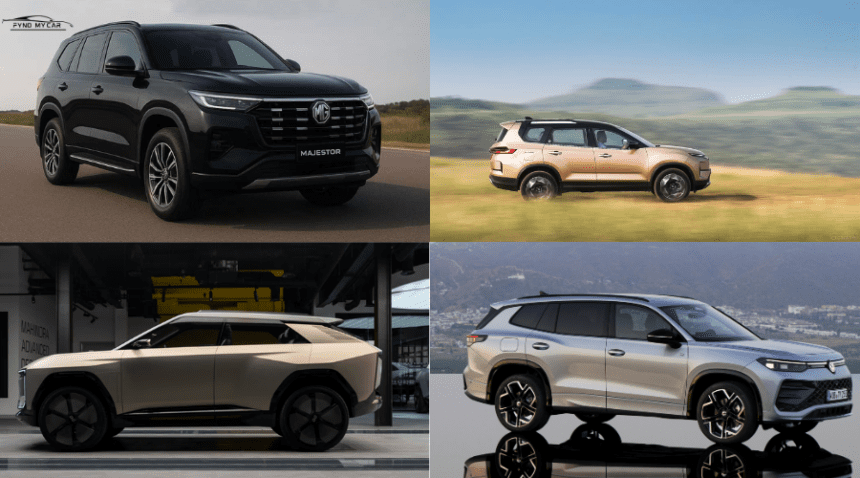
Slated for a February 2026 launch, the BE 07 is a purpose-built best family suv 7 seater with a 450 km range. Mahindra is going all-in on EVs. The BE 07 isn’t just an engine-swapped car; it’s built on the new INGLO platform. It features a futuristic “triple-screen” dashboard that looks like it belongs in a sci-fi movie. For a tech-savvy family, this will likely be the most modern-feeling car on this list.
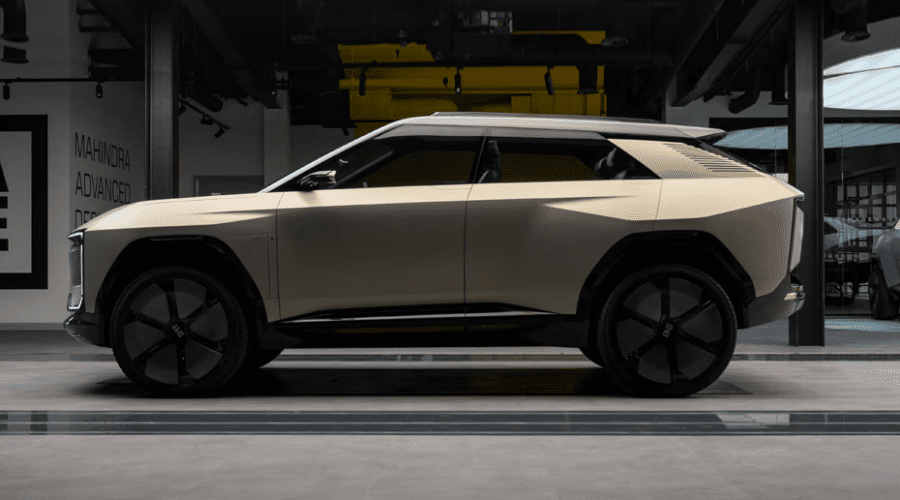
- Expected Price: ₹25 lakh – ₹29 lakh
- Key Highlight: 80 kWh battery pack and ultra-fast charging (10-80% in 30 minutes).
4. Tata Safari EV
According to Tata Motors (2026), the Safari EV will arrive by May 2026, targeting the premium family segment. The Safari is already a household name in India. The EV version will add a silent, powerful electric motor and likely an All-Wheel Drive (AWD) system. Tata is focusing on making the third row more comfortable by adding dedicated AC vents and charging ports, so no one feels like they’re in the “cheap seats.”
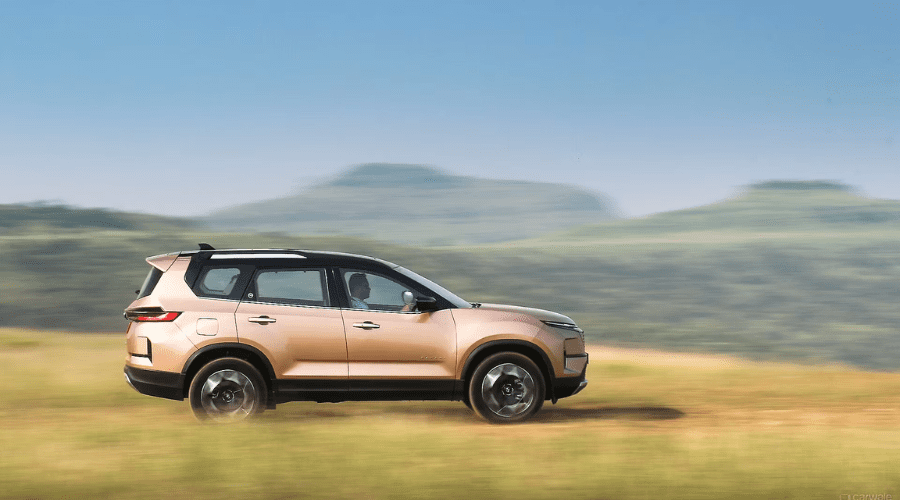
- Expected Price: ₹26 lakh – ₹30 lakh
- Key Highlight: 500+ km range and a 5-star Bharat NCAP safety rating.
5. Maruti Suzuki eVitara
While the standard eVitara is a 5-seater, a 7-seater derivative is expected to follow by late 2026. Maruti’s first global electric SUV, the eVitara, is designed for comfort and ease of use. It uses a dedicated EV platform, which means the floor is flat, giving everyone inside much more legroom than a traditional petrol car.
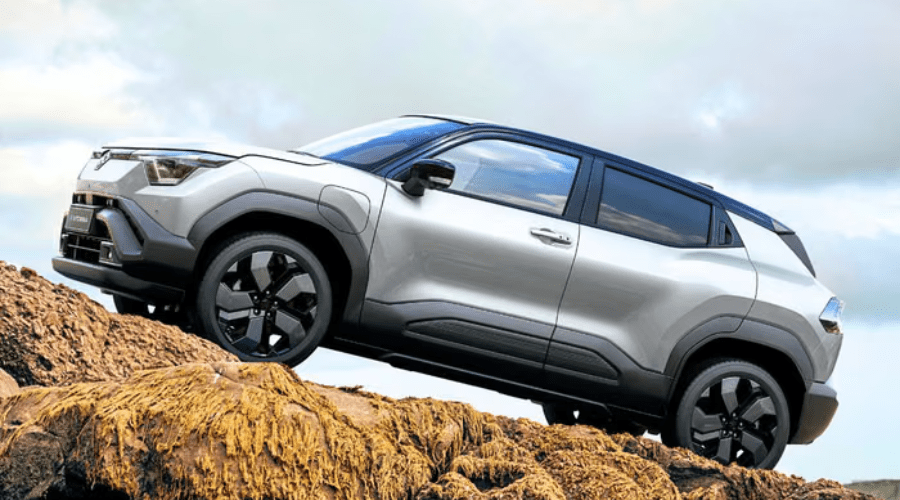
- Expected Price: ₹17 lakh – ₹22 lakh
- Key Highlight: 4WD with “Trail Mode” for better grip on slippery Indian roads.
6. MG Majestor
According to the automotive news, the MG Majestor is set to arrive in February 2026 as a more premium, feature-loaded alternative to the Fortuner. MG is known for “features per rupee,” and the Majestor will be no different. It’s a massive ladder-frame SUV, meaning it’s built like a tank. It will likely use the 2.0-litre diesel engine from the Gloster, but with a much more refined interior and Level 2 ADAS (Advanced Driver Assistance Systems).
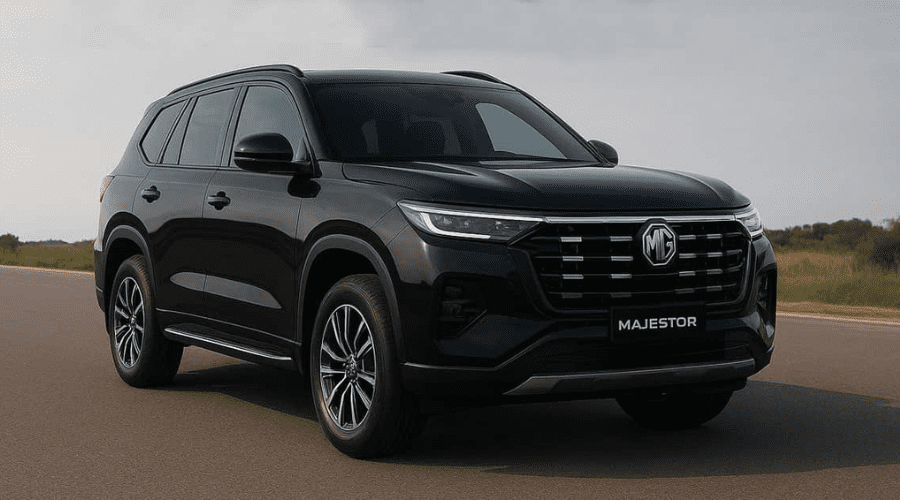
- Expected Price: ₹28 lakh – ₹30 lakh (Base Variants)
- Key Highlight: Massive road presence and ventilated seats for all rows.
7. Volkswagen Tayron
Replacing the Tiguan Allspace, the Tayron brings German engineering to the 7-seater market in early 2026. If you care about “thud” door sounds and high-speed stability, the Tayron is your pick. It’s longer than the Tiguan and focuses on luxury. While the top-end trims might cross ₹30 lakh, the entry-level petrol variants are expected to sit right at the edge of our budget.
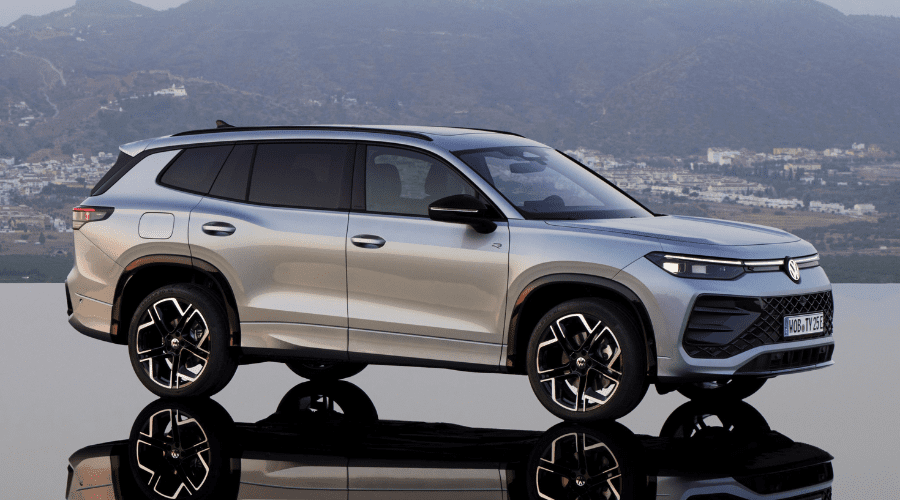
- Expected Price: ₹29 lakh – ₹35 lakh
- Key Highlight: 2.0L TSI engine with 201 bhp and a massive 345-litre boot even with all seats up.
Conclusion
The optimal 7-seater in 2026 depends on your priorities. For maximum fuel efficiency, the Grand Vitara Hybrid stands out. For buyers ready to transition to electric, the Safari EV and Mahindra BE 07 introduce advanced tech and real-world range. As the segment evolves rapidly, focus on platform, charging curve, and third-row usability before making a decision.
FAQ
Q. Is a 7-seater SUV better than an MPV for an Indian family?
A. If you travel mostly on highways or uneven roads, an SUV like the Safari or Bigster offers better ground clearance. However, if you only drive in the city, an MPV might offer slightly better access to the 3rd row.
Q. Which upcoming 7-seater will have the best mileage?
A. The Maruti Grand Vitara 7-Seater with its Strong Hybrid tech is expected to deliver nearly 27-28 kmpl, making it the most economical non-electric choice.
Q. Will these 2026 models have ADAS?
A. Yes, almost all the cars mentioned, including the MG Majestor and Tata Safari EV, will come with Level 2 ADAS (Automatic braking, lane keep assist) to improve safety on Indian highways.
Q. Can adults sit comfortably in the 3rd row of these SUVs?
A. The MG Majestor and Volkswagen Tayron are the most “adult-friendly” in the back. The Grand Vitara 7-seater is best suited for children or short city hops for adults.
Q. Should I wait for the electric 7-seaters or buy a diesel now?
A. If your daily running is over 50km, wait for the Safari EV or BE 07. The savings on fuel will pay back the premium price within 3-4 years.