
Introduction
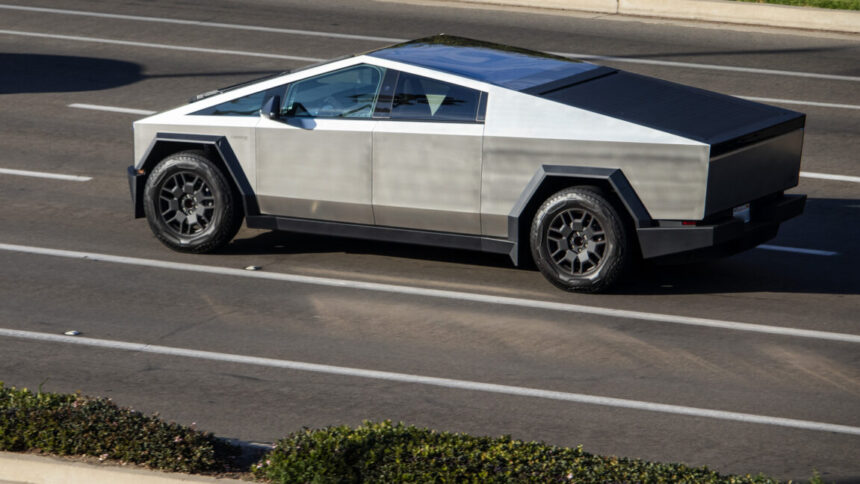
When one of the buzziest electric trucks on the roads starts appearing in recall notices, people sit up and pay attention. If you’re among Tesla Cybertruck owners—or thinking of becoming one—this recent recall involving 2,431 units is especially critical. It’s not just another software patch. The fix requires hardware replacement. In a market where reliability, safety, and resale value matter, this raises several red flags.
Tesla Recalls 2,431 Cybertrucks: What Owners Need to Know?
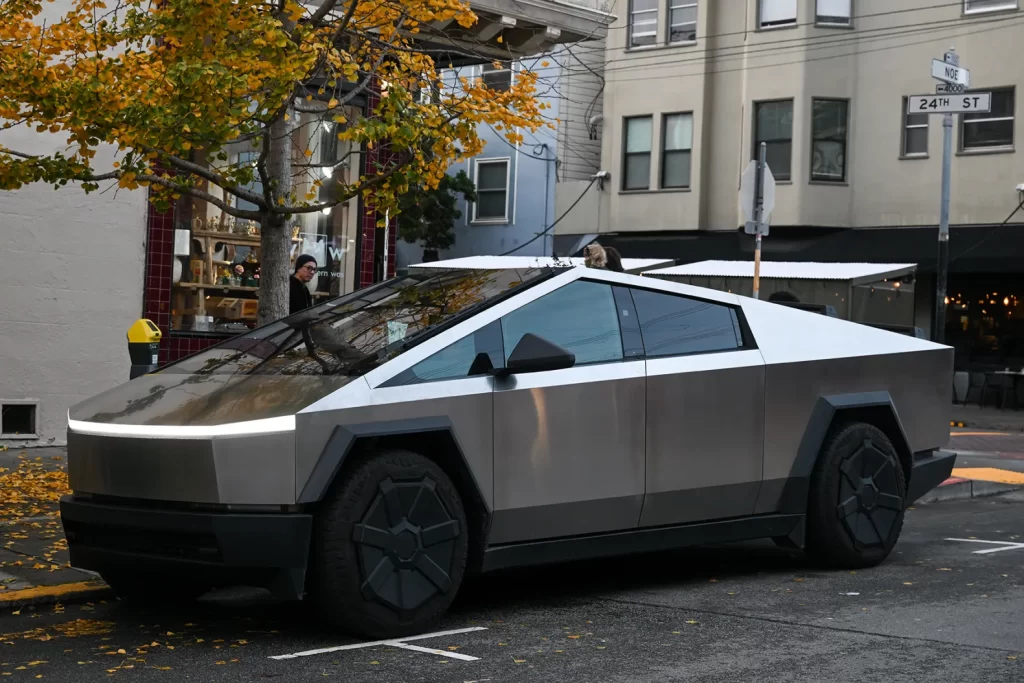
For potential and current Cybertruck owners, this recall brings up some pressing concerns:
- Safety: A fault that causes loss of propulsion is serious. Imagine being on a highway or busy road and suddenly losing drive power.
- Reliability & Trust: Multiple recalls in a short span cause anxiety—Will my truck be dependable?
- Cost & Downtime: A hardware fix means going to a service center, waiting, possible vehicle downtime.
- Resale Value: Recall history can affect long‐term depreciation.
What’s the Recall About?
Here are the key facts:
- What component is faulty: The issue lies with the drive inverter, particularly a MOSFET component (MOSFET = metal‐oxide semiconductor field‐effect transistor) inside that inverter.
- What goes wrong: In certain conditions, the inverter can fail to produce torque—that is, it can stop delivering the rotational force needed for the wheels to move. If that happens, pressing the accelerator won’t help: the vehicle may lose propulsion.
- Where it cannot be fixed via software: Unlike many Tesla recalls that are resolved with over‐the‐air (OTA) software updates, this problem requires physical replacement of hardware—inverter units must be swapped out.
Which Cybertruck Units Are Affected?
- Production dates: Trucks built between November 6, 2023 to July 30, 2024 are in the recall zone.
- Number of units: 2,431 Cybertrucks are affected by this specific recall.
Why There’s “No Fix” by Software?
When Tesla recalls a vehicle due to a software issue, the remedy is often pushing an OTA update—a relatively quick fix that doesn’t require taking the vehicle in. But:
- In this case, the failure is physical: a MOSFET in the inverter is faulty. You cannot “patch” that with code. It’s a part replacement.
- The risk (loss of propulsion) is too serious to leave to possible mitigation via software warnings. Hardware must be replaced to ensure safety.
Potential Risks & Owner Concerns
Here’s what owners and prospective buyers should watch out for:
| Risk | Details |
| Sudden loss of power / propulsion | Could happen without warning; might increase risk of collision or dangerous situation. |
| Warning delay or lack thereof | In some cases, the only notice is a visual alert telling driver to pull over after fault occurs—too late for many scenarios. |
| Vehicle downtime | Getting a drive inverter replaced involves scheduling, possibly waiting for parts, and bringing the vehicle to a service center. |
| Trust & resale value | Recalls like this could shake confidence in build quality, affecting owner satisfaction and resale value. |
Tesla’s Response & What the Fix Involves
Tesla has taken certain steps:
- Voluntary recall: Tesla initiated the recall on its own (or in coordination) rather than waiting for a regulatory mandate.
- Replacement schedule: Starting December 9, 2024, Tesla began replacing the faulty drive inverters in affected vehicles free of charge.
- Notifications to owners: Tesla has notified owners of the affected VINs. If you’re not sure whether your Cybertruck is affected, Tesla’s official recall page allows checking via VIN.
Related: Tesla Comes To India
What Owners Should Do?
If you own a Cybertruck, especially one built between Nov 2023 – July 2024, here’s what you should do now:
- Check if your vehicle is included: Go to Tesla’s recall lookup (use your VIN). The official Tesla support / recall page will list whether your vehicle is under this recall.
- Don’t ignore warnings: If you see any alert about propulsion loss (visual warning on screen), stop driving safely and contact Tesla service.
- Schedule the hardware replacement: If affected, arrange a service appointment to have the drive inverter replaced. This won’t cost you, per Tesla’s recall policy.
- Document everything: Any symptoms, notices, or communication with Tesla—keep records. If further issues occur, having documentation helps.
- Stay informed: Given prior recalls for other components (trim, pedals, cameras), keep software, firmware, and service updated. Sometimes software updates fix less severe issues.
What This Recall Says About Tesla & EVs?
This incident isn’t isolated—it connects to larger trends and lessons in EV adoption, regulation, and consumer trust.
- High‐stakes hardware reliability matters: As EVs proliferate, failures in core components (like inverters, motors, battery parts) have big safety implications.
- The limit of software fixes: While OTA updates are powerful, not all problems can be fixed that way. Physical hardware issues still play a major role.
- Regulatory oversight increasing: Tesla has been under scrutiny by U.S. regulators (NHTSA in particular) for multiple investigations into recalls and safety.
- Consumer expectations going up: Early adopters might tolerate a buggy rollout; mainstream consumers expect more mature quality from the start.
Related Recalls: A Pattern
This inverter recall is just one among several that the Cybertruck has faced. Here are some related previous recalls which may worry or educate:
- Accelerator pedal issue: Some trucks had accelerator pedals that could get stuck or dislodged.
- Rearview camera delay: The rearview camera display could take 6‐8 seconds to show after shifting into reverse (needs to be ≤ 2 seconds by law). Fixed via software.
- Loose trim, windshield wiper motor failures, etc.
- Exterior panel adhesive failures: The “cant rail” panel glue problem that led to another large recall (over 46,000 trucks) due to panels potentially detaching. While cosmetic in one sense, it’s also a safety hazard.
These build a picture: some issues are software‐fixable; others need parts; some are minor annoyances; others are serious safety risks.
Implications for Future Buyers & the EV Landscape
If you’re considering buying a Cybertruck (new or used), or any EV, these are things to keep in mind:
- Check recall history before purchasing. See if vehicles have had all required fixes.
- Warranty coverage is critical. Hardware issues can be expensive if out of warranty.
- Service network & parts availability matters. Delay in parts or service centers hurt more than the malfunction itself in many cases.
- Regulation & safety compliance will become increasingly important. Manufacturers likely will be subject to stricter auditing.
Conclusion
This recall of 2,431 Tesla Cybertrucks due to a faulty drive inverter component is more than just a mechanical issue. It touches on safety, trust, reliability, and the boundary between software fixes and hardware fixes in modern EVs. For Tesla, it represents both a necessary corrective action and a test of how well they can manage quality issues at scale. For owners, staying informed and taking action is essential to ensure safety and maintain confidence in their vehicles.