

Many buyers are asking: How Much Did Car Prices Drop After GST 2.O?Car prices all over India have been affected once more by the latest revisions to the Goods and Services Tax.
By changing tax rates and having a direct effect on car affordability, the Goods and Services Tax changed the automotive industry when it first took effect in 2017. The topic has come up again in 2025 as the industry is still impacted by new changes and policy updates. Every market segment has been affected, from luxury sedans to entry-level hatchbacks.
To get the entire details regarding this subject, dive deep into the article and make sure to read it thoroughly.
Understanding GST 2.0 2025
India first introduced the Goods and Services Tax in July 2017 in an effort to combine several indirect taxes under one roof. The main objectives were to increase pricing transparency for goods and services, decrease hidden costs, and simplify taxes. Since cars are among the most taxed goods, this had an immediate effect. Minor changes, new cess structures, and policy updates have all continued to have an impact on car prices over time.
Several GST adjustments went into effect in 2025, especially for vehicles with varying engine capacities and fuel types. Revisions to the tax slabs and the cess charged on luxury and mid-sized cars are among these updates. Although buyers are supposed to gain from the reforms, the price reductions vary by segment, so it is important to examine each one separately.
How New GST Slabs Affected Car Segments?

Different segments have been affected by the impact of GST on car prices in different ways. While some cars saw little change, others saw a noticeable decrease in price. Which cars benefited the most, and how much did each segment actually save? You might get surprised by the answers.
Small Cars (Under 1.2L Engine)
Small sedans and entry-level hatchbacks are included in the smallest GST slab. The 2025 updates resulted in a slight price drop of about 1% to 3% for these cars. For instance, a hatchback that was once priced at ₹6 lakh might now cost ₹5.85 lakh to ₹5.90 lakh. Despite the seemingly minor total savings, this reduction has a significant impact on first-time and savvy buyers.
Since manufacturers transfer a larger percentage of the tax reduction directly to customers, small cars gain the most from GST adjustments. Due to their high demand, even small savings can increase sales and open up car ownership to a wider range of people.
Mid-Sized Cars (1.2–2.0L Engine)
Depending on the model and manufacturer, mid-sized cars—such as well-liked sedans and small SUVs—saw a more noticeable price drop of 2–5%. Before the GST changes, a mid-sized sedan would have cost ₹12 lakh, but it may now cost between ₹11.5 lakh and ₹11.7 lakh.
As the GST 2025 revisions reduced the tax burden on vehicles in this segment, the reduction is more important here. In order to remain competitive in a crowded market, manufacturers have also been actively selling these models by offering discounts on some of the tax advantages. For buyers looking for value and features without breaking the bank, this segment shows the most tangible benefit.
Luxury Cars (Above 2.0L Engine)
After GST 2025, the prices of luxury cars, SUVs, and premium sedans barely changed. The advantages of the GST reduction are surpassed by the higher cess applied to the majority of these vehicles. For instance, a luxury SUV that previously cost ₹50 lakh might only see a ₹50,000–₹80,000 price reduction, which is a modest change when compared to smaller segments.
Luxury vehicles are less subject to small tax breaks, and rather than relying only on domestic GST changes, manufacturers frequently modify prices in response to international trends, import taxes, and brand positioning. Customers do save as a result, but the difference is much less obvious than in entry-level or mid-sized markets.
Factors Influencing Price Changes
Several key factors determine how much car prices dropped after GST 2025:
- GST Rate Slabs – Cars are taxed differently based on engine size, fuel type, and category. Petrol, diesel, and electric vehicles fall under different GST brackets, resulting in varied price impacts.
- Manufacturer Pricing Strategies – While GST reduces the tax component, automakers may adjust ex-showroom prices based on demand, production costs, and market competition.
- State-Level Taxes – Registration fees, road taxes, and other state-specific levies are separate from GST and continue to influence the final on-road price.
- Cess on Premium Vehicles – Luxury cars and SUVs carry an additional cess that offsets GST reductions, which is why high-end models see minimal drops.
Impact And Real-World Implications Of GST 2.O On Car Buyers
The Indian car-buying experience has once again been impacted by the new GST slab. Buyers are curious to learn how the revised cess structures and updated tax slabs affect affordability. There may be noticeable price reductions for some cars, particularly small and mid-sized ones, but there aren’t many price changes for luxury and premium models. Although the reform increases pricing transparency, the real benefit varies depending on the manufacturer’s pricing strategies, fuel type, and car segment. In the post-GST 2025 market, buyers must be aware of these details in order to maximise value and make well-informed decisions.
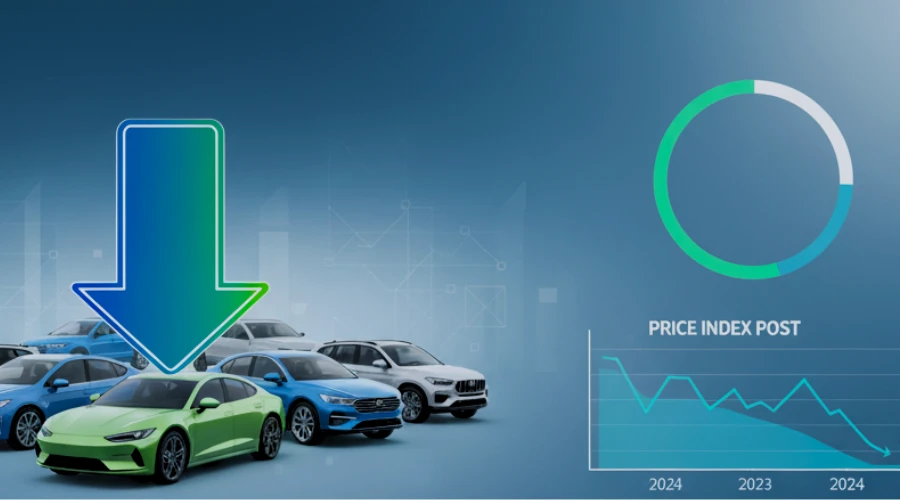
Buyers will actually benefit from both strategic manufacturer pricing and direct tax savings as a result of GST 2025. Savings are obvious for small and mid-sized cars, which can help buyers stretch their budget or choose higher trim levels. The reduction provides some financial relief for buyers of luxury cars, but it is more symbolic. A small hatchback that was previously priced at ₹6 lakh could now be purchased for ₹5.85 lakh, saving approximately ₹15,000. In the meantime, a mid-sized sedan that was once priced at ₹12 lakh might now be offered for ₹11.6 lakh, saving ₹40,000. On the other hand, luxury SUVs may only experience a slight decrease of ₹50,000 to ₹80,000, which is less notable in comparison.
Top 5 New Cars Price Comparison Before & After GST Reform
This table provides a quick look at how GST 2025 has affected car prices across different segments. It compares the prices of popular models before and after the tax changes, giving a clear view of potential savings for buyers.
| Car Model | Engine Size | Price Before GST (₹) | Price After GST 2025 (₹) | Approx. Difference (₹) |
| Maruti Suzuki Alto | 0.8L | 5,00,000 | 4,90,000 | 10,000 |
| Hyundai i20 | 1.2L | 7,00,000 | 6,85,000 | 15,000 |
| Honda City | 1.5L | 12,00,000 | 11,60,000 | 40,000 |
| Toyota Fortuner | 2.7L | 32,00,000 | 31,50,000 | 50,000 |
| Mahindra XUV700 | 2.0L | 15,00,000 | 14,60,000 | 40,000 |
Conclusion
Premium and luxury cars saw only slight changes, while small and mid-sized cars saw the most noticeable reductions. In the budget and mid-range categories, where the tax cuts directly result in savings, buyers are likely to gain the most. Whether buying their first car or upgrading to a mid-sized or premium model, buyers can make better decisions if they are aware of these changes. Although GST 2025 has had a visible effect, the amount of savings varies depending on the manufacturer’s strategy, engine size, and vehicle type. Knowing these facts can help anyone planning to purchase a car today get the most out of the new tax system and maximise value.
FAQ
Q. How much did car prices drop after GST 2025?
A. The price drop varies by car segment, engine size, and manufacturer. Small and mid-sized cars typically saw more noticeable reductions.
Q. Did luxury cars become cheaper after GST 2025?
A. Luxury and premium vehicles experienced minimal changes due to additional cess and higher tax slabs.
Q. Which car segment benefited the most from GST 2025?
A. Entry-level and mid-sized cars benefited the most, with price reductions passed on to buyers.
Q. Does GST affect on-road prices or just ex-showroom prices?
A. GST mainly impacts ex-showroom prices, while state registration and road taxes affect the final on-road cost.
Q. Will GST changes continue to affect car prices in the future?
A. Yes, future revisions in GST slabs or cess rates could further influence car pricing across segments.