

Is this really a golden phase for car buyers in India, or just a temporary high before new challenges? If we pause and look around, it feels like something big is happening.
There are more cars on the road, longer waits at dealerships, and frequent new launches. All of these points add to a bigger change. FY26 has become a milestone year, with India’s car market hitting record numbers.
But behind this growth, changing lifestyles, higher ambitions, and some challenges are quietly shaping what comes next.
Key Takeaways: India PV Market FY26
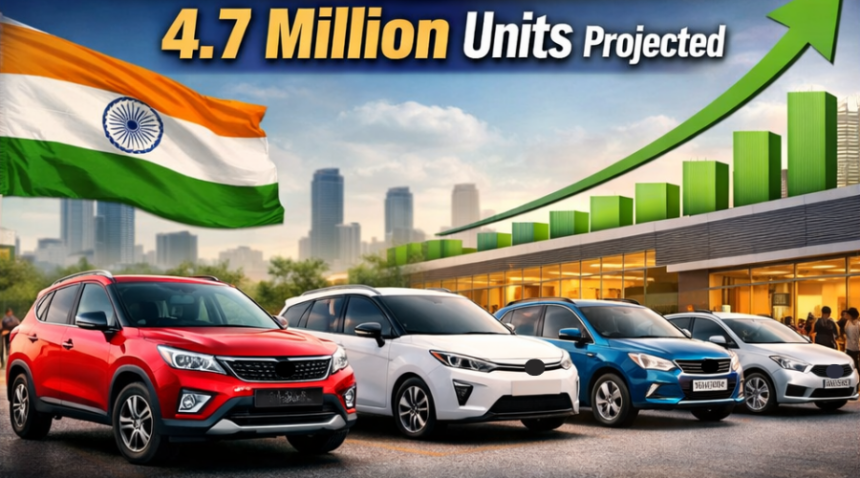
As per the latest car articles, in FY26, India’s passenger vehicle market reached a new milestone, with sales hitting about 4.7 million units-the highest ever. This 8-9% growth over FY25 shows how well the market has recovered from both global and local challenges.
What really stands out this year isn’t just the sales number, but the journey to get here. The year began slowly, as many buyers hesitated because of higher costs and uncertainty. Things changed when tax cuts, better deals, and the festive season arrived. Showrooms became busy again, and demand rose quickly in the second half.
India Car Sales Growth FY26
In FY26, passenger vehicle sales in India reached 4.7 million units, setting a new record. This is up from 4.3-4.4 million units last year, showing the market is still growing even after strong results before. For buyers and observers, this signals confidence. People continue to buy cars despite rising costs, driven by both need and aspiration. Cars have become more than just a utility; they are now a lifestyle choice.
Key Drivers
If you’re curious about what drove this India car sales growth FY26, it comes down to several everyday factors that affect all of us. A major reason was the cut in GST rates, which made cars more affordable and encouraged people who had been waiting to buy. At the same time, SUVs stayed popular because they offer comfort, space, and a strong presence on the road.
Another important factor was the availability of easy financing options. Banks and lenders made it simpler to get car loans, reducing the burden of upfront costs. Add to that a steady stream of new launches, and you have a market that keeps buyers constantly interested. There’s also a visible shift toward electric vehicles and CNG cars. More people are now thinking about long-term savings and cleaner mobility, which is slowly reshaping buying decisions.
Market Leadership
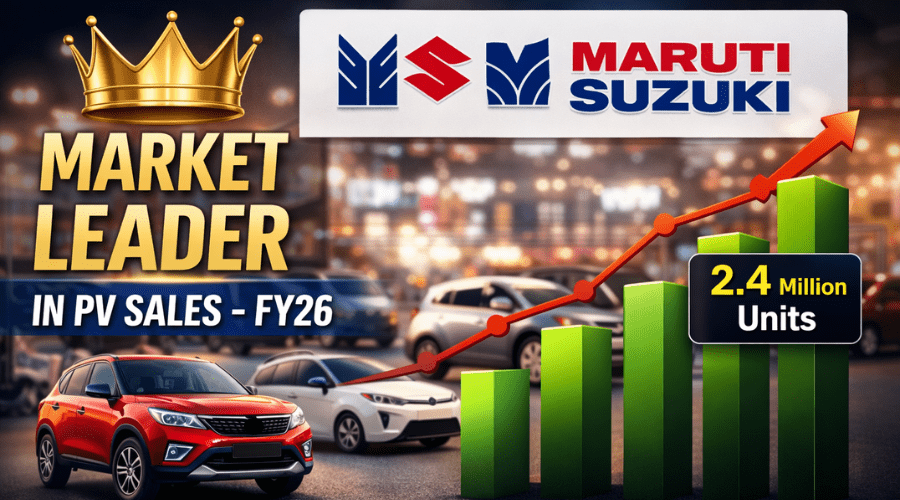
According to the latest car articles, Maruti Suzuki still leads the Indian market, with sales over 2.4 million units, making it the top choice for many buyers. However, the competition is catching up. Tata Motors and Mahindra & Mahindra are narrowing the gap, especially in SUVs and electric vehicles. Their strong lineups are attracting younger buyers. While Maruti Suzuki remains ahead, the market is becoming more competitive, benefiting you as a buyer. More competition often brings better features, prices, and choices.
Top 5 Performers Of FY26
The top five car manufacturers in FY26 have played a huge role in driving overall growth. These include Maruti Suzuki, Tata Motors, Mahindra & Mahindra, Hyundai, and Toyota. Each of these brands has found its own space in the market. Maruti continues to dominate volume sales, Tata is gaining popularity with its electric and safety-focused cars, Mahindra is thriving in the SUV segment, Hyundai maintains a strong urban presence, and Toyota benefits from its reliability and hybrid offerings. What’s common among them is their ability to adapt. They’ve all aligned their strategies with what buyers like you are looking for today: style, efficiency, and value.
Growth Pattern
India car sales growth FY26 showed a clear pattern, split into two halves. In the first half, demand was low as buyers were cautious because of inflation and higher costs. In the second half, things improved quickly. Supportive policies, festive demand, and better consumer confidence led to a strong recovery.
By the time March arrived, monthly sales had jumped significantly, showing just how powerful the late-year surge was. So if you felt like the market suddenly became more active toward the end of the year, you were absolutely right. It wasn’t just perception; it was a real shift.
Challenges
Now let’s look at what often gets less attention but is just as important. Even with strong growth, the industry faces several challenges.
- Rising input costs could push car prices higher in the coming months.
- Global issues, such as geopolitical tensions, are also affecting supply chains, leading to delays or increased costs.
- Another concern is the decline in demand for entry-level cars.
- Budget buyers are becoming more cautious, which could impact overall volumes in the long run of automotive sales projections in India.
- Another challenge is the high base effect. When sales are already at record highs, it’s harder to keep growing at the same rate. That’s why experts expect growth to slow slightly in FY27.
- Fuel prices also play a big role in buying decisions, leading more people to consider alternative fuel options.
The Bigger Picture: What It Means for You?
If you’re planning to buy a car, this is honestly a fascinating time. You have more options than ever before: SUVs, EVs, hybrids, and CNG vehicles, all competing for your attention. At the same time, the market is evolving quickly, and prices may rise due to cost pressures. There’s also a clear shift in mindset. People are no longer just looking for the cheapest option. They’re thinking about comfort, long-term savings, and even environmental impact. Clean mobility options are gaining ground rapidly, and they’re expected to take up a much larger share of the market in the coming years.
Final Thoughts
If I had to sum it up for you, FY26 is not just a record year; it’s a transition phase. Automotive sales projections in India, reaching 4.7 million units, shows strength, resilience, and growing ambition. But it also highlights changing priorities and emerging challenges. For you, this means opportunity. Whether you’re buying your first car or upgrading, the market is offering some of the best choices it’s ever seen. At the same time, it’s worth staying aware of what lies ahead. Growth may continue, but it might not be as fast or easy. Still, for now, the road looks exciting, and maybe, this is the perfect time to be part of India’s evolving car story.
FAQ
1. Why are car sales in India reaching record levels in FY26?
A. Car sales grew a lot in FY26 because more people can afford cars and view them as a lifestyle upgrade. Lower taxes, easier loans, and many new models have encouraged buyers.
2. Which type of cars are most popular in India right now?
A. SUVs are the most popular choice right now. You can see more SUVs on the road than ever before. People like them for their space, comfort, and strong road presence.
3. Who are the top car manufacturers in India in FY26?
A. The leading brands in FY26 are Maruti Suzuki, Tata Motors, Mahindra & Mahindra, Hyundai, and Toyota. They dominate the market by offering affordable, reliable, and modern cars that appeal to a wide range of buyers.
4. What challenges could affect car sales in the coming years?
A. While the market is strong, there are some concerns. Higher raw material costs could raise car prices. Global problems might disrupt supply chains, and fuel prices still affect buying choices. Demand for smaller, budget cars has also slowed, which could impact growth.
5. Is this a good time to buy a car in India?
A. It really depends on your needs, but overall, it’s a good time to buy. There are many options, good prices, and attractive deals. Prices might go up in the future, so if you’re planning to buy, waiting too long may not help.