
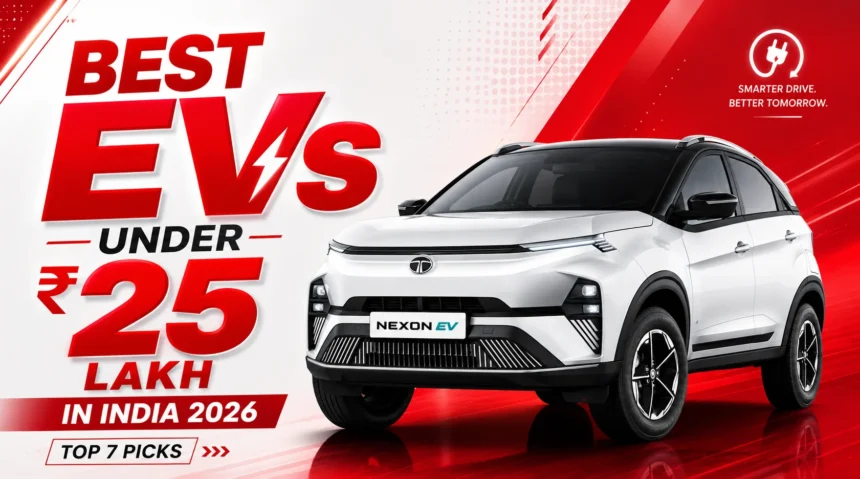
Want to buy an electric vehicle but terrified of burning a hole in your pocket? Well, relax, for now you do not have to shell out 40-50 lakh for a good EV anymore. In 2026, India’s electric car market has matured significantly, and there are some really solid options priced comfortably under ₹25 lakh.
From small hatchbacks to large SUVs, a wide range is available to suit everyone’s needs. Here are the top 7 EVs you should consider buying in the coming year.
7 Best EVs Under ₹25 Lakh In India 2026: Quick Comparison
| Car | Price Range (Ex-showroom) | Battery | Claimed Range |
| Tata Punch EV | ₹9.69 – 12.59 Lakh | Up to 40 kWh | Up to 468 km |
| Tata Nexon EV | ₹12.49 – 17.49 Lakh | Up to 45 kWh | Up to 489 km |
| MG Windsor EV | ₹14.00 – 18.50 Lakh | Up to 52.9 kWh | Up to 449 km |
| Mahindra XUV 3XO EV | ₹13.89 – 15.46 Lakh | 39.4 kWh | Up to 456 km |
| Tata Curvv EV | ₹16.99 – 21.90 Lakh | Up to 55 kWh | Up to 585 km |
| Mahindra BE 6 | ₹18.90 – 24.99 Lakh* | Up to 79 kWh | Up to 682 km |
| Tata Sierra EV | ₹18.79 – 25.99 Lakh | Up to 75 kWh | Up to 665 km |
(Note: Prices and variant availability keep shifting, so it’s always smart to check the latest showroom price before you buy. Some top-end BE 6 and Sierra EV variants go slightly beyond ₹25 lakh; stick to the lower and mid trims to stay within budget.)
1. Tata Punch EV
If you want an EV that’s easy to drive and park, and doesn’t feel like a compromise, the Tata Punch EV makes a lot of sense. It’s compact enough for crowded city roads but still gives you that raised SUV-like stance people love. Inside, you get a comfortable cabin, a decent touchscreen, and enough safety kit to feel secure in daily traffic. The lower variants are genuinely affordable, and even the top-end trims stay well within budget.
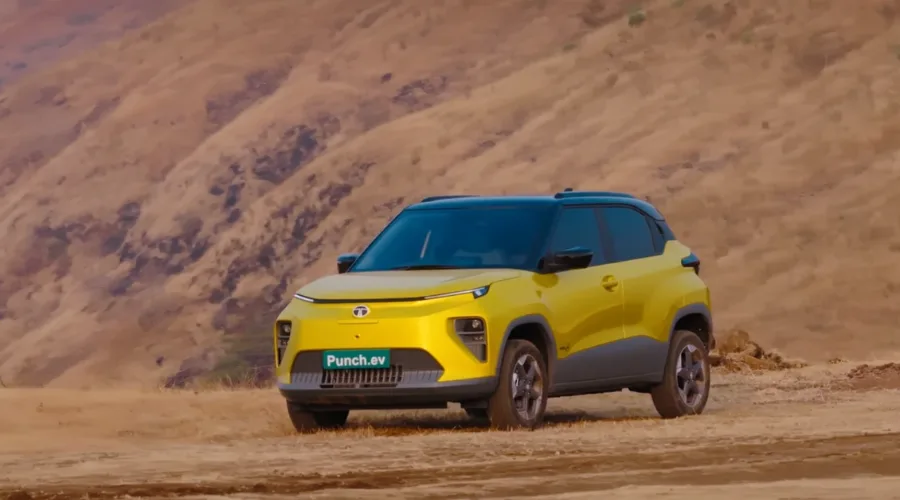
Where it really shines is in running costs. Charging it is far cheaper than fuelling a petrol hatchback every week. It’s not the fastest or the most feature-loaded EV on this list, but for a first-time EV buyer or a second car for the family, it ticks most of the right boxes without stretching your wallet.
Tata Punch EV Specifications
| Spec | Details |
| Battery | 30 kWh / 40 kWh |
| Power & Torque | Up to 95 kW & 154 Nm |
| 0-100 km/h | 9.0 seconds |
| Range (ARAI) | Up to 468 km |
| Fast Charging | 20-80% in 26 minutes |
| Boot Space | 366 litres |
| Seating | 5 |
| Ground Clearance | 195 mm |
2. Tata Nexon EV
The Nexon EV has had enough time to establish itself, and the 2026 model is simply great. The fact that it is Tata’s best-selling EV has merit: its build quality, range, and feature set don’t look dated. The car features a large infotainment screen, connectivity, adequate luggage space, and a comfortable ride that can handle Indian conditions.
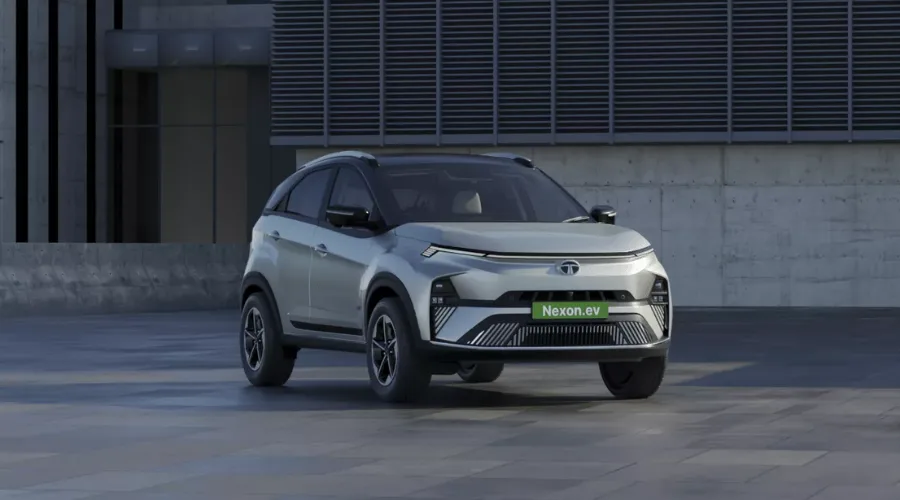
The cars equipped with larger batteries increase the official range to 489 km – quite an impressive number that is more than sufficient for both weekly urban commuting and occasional trips on highways. What’s more, the car is reasonably priced and not overvalued because of its brand. This is a car that is always a safe bet.
Tata Nexon EV Specifications
| Spec | Details |
| Battery | 30 kWh / 45 kWh |
| Power & Torque | Up to 106 kW & 215 Nm |
| 0-100 km/h | 8.9 seconds |
| Range (ARAI) | Up to 489 km |
| Fast Charging | 10-80% in 40 minutes |
| Boot Space | 350 litres |
| Seating | 5 |
| Ground Clearance | 205 mm |
3. MG Windsor EV
Windsor EV followed a unique path, and it worked. In contrast to the standard SUV feel, it gives the impression of a crossover vehicle with a roomy, even lounge-like interior. What truly distinguishes it from the competition is the rear passenger seat, which allows for very comfortable leg stretching.
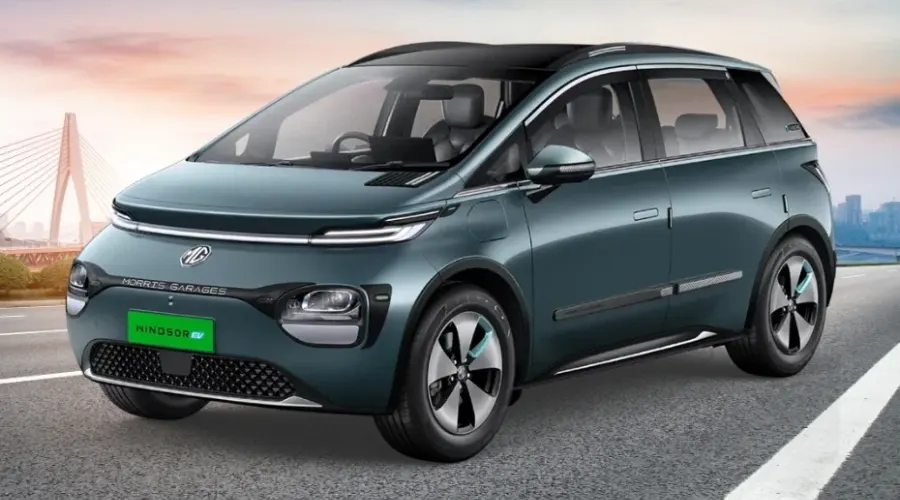
What makes the vehicle stand out is MG’s battery-as-a-service plan, through which customers can reduce their initial outlay by paying for the battery in installments. It is this flexibility that has made it so popular among buyers. The range it offers is not great, but it is definitely satisfactory for urban driving and even outstation trips.
MG Windsor EV Specifications
| Spec | Details |
| Battery | 38 kWh / 52.9 kWh |
| Power & Torque | 134 bhp & 200 Nm |
| Range (ARAI) | Up to 449 km |
| Fast Charging | 0-80% in 50 minutes |
| Boot Space | 579-604 litres |
| Seating | 5 |
| Ground Clearance | 186 mm |
4. Mahindra XUV 3XO EV
Mahindra took its already popular XUV 3XO and gave it a proper electric makeover, resulting in a fun, punchy little SUV. It doesn’t feel slow or sluggish like some budget EVs. There’s genuine pep when you put your foot down, and the handling feels tighter than you’d expect at this price. The design stays close to the petrol version, so it looks familiar but sharper.
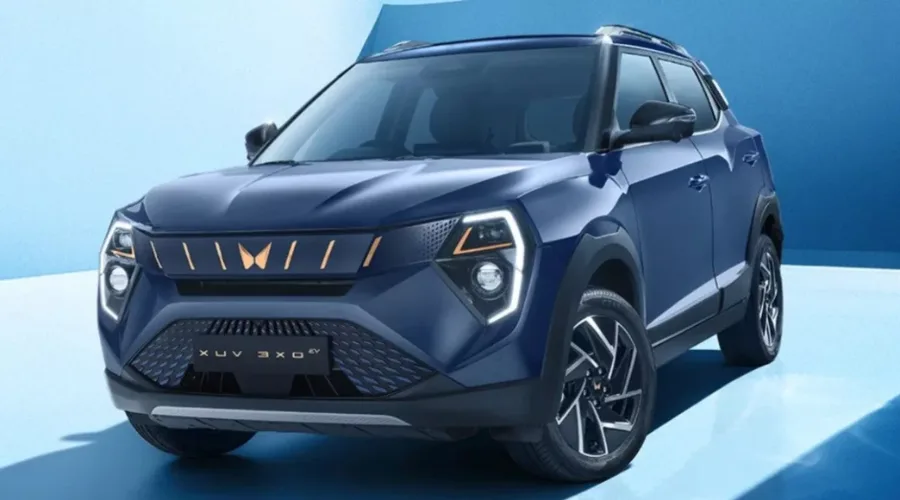
In terms of features, the more expensive versions offer a panoramic roof, an advanced sound system, and a modern dashboard layout. Charging speed is fairly fast, and the maximum range of 375 km is sufficient for all daily driving needs. For customers who want a car that is not only practical but also fun to drive, this model is worth considering.
Mahindra XUV 3XO EV Specifications
| Spec | Details |
| Battery | 39.4 kWh |
| Power & Torque | 147 bhp & 310 Nm |
| 0-100 km/h | 8.3 seconds |
| Range (ARAI) | Up to 456 km |
| Fast Charging | 0-80% in 50 minutes |
| Boot Space | 364 litres |
| Seating | 5 |
| Ground Clearance | 190 mm |
5. Tata Curvv EV
What sets the Curvv EV apart is its unique look, specifically, a coupe SUV look that looks quite appealing compared to the boxy designs in the segment. The vehicle is built on an EV-specific architecture, as evidenced by its comfortable driving experience. There is a dual-screen inside the cabin, ventilated front seats in higher trims, and, overall, an aura of luxury in this car that is priced below other premium sedans.
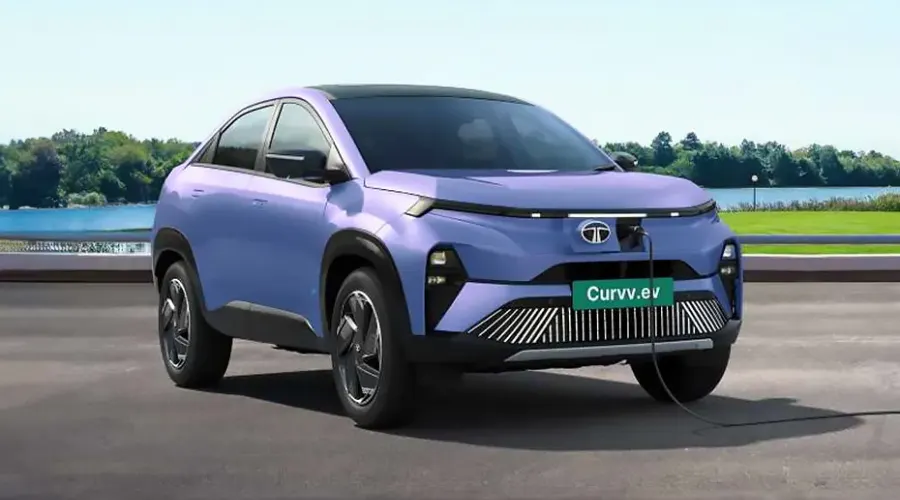
But the biggest draw here is its range. Thanks to the larger battery pack in the Curvv, Tata boasts a range of up to 585 kilometers on a single charge, which is indeed very impressive for a sedan in this price range. It is slightly more expensive than the Nexon EV but worth the extra money if the two factors discussed above are important for you.
Tata Curvv EV Specifications
| Spec | Details |
| Battery | 45 kWh / 55 kWh |
| Power & Torque | Up to 123 kW & 215 Nm |
| 0-100 km/h | 8.6 seconds |
| Range (ARAI) | Up to 585 km |
| Fast Charging | 10-80% in 40 minutes |
| Boot Space | 500 litres |
| Seating | 5 |
| Ground Clearance | 186 mm |
6. Mahindra BE 6
The BE 6 is Mahindra’s statement piece in the EV space, and it doesn’t try to hide it. Built on a dedicated electric platform, it looks nothing like a converted petrol car, sharp, futuristic, almost concept-car-like on the road. Performance is genuinely quick, and the tech inside, from the dual screens to the driving modes, feels like a proper step up from most other EVs at this price.
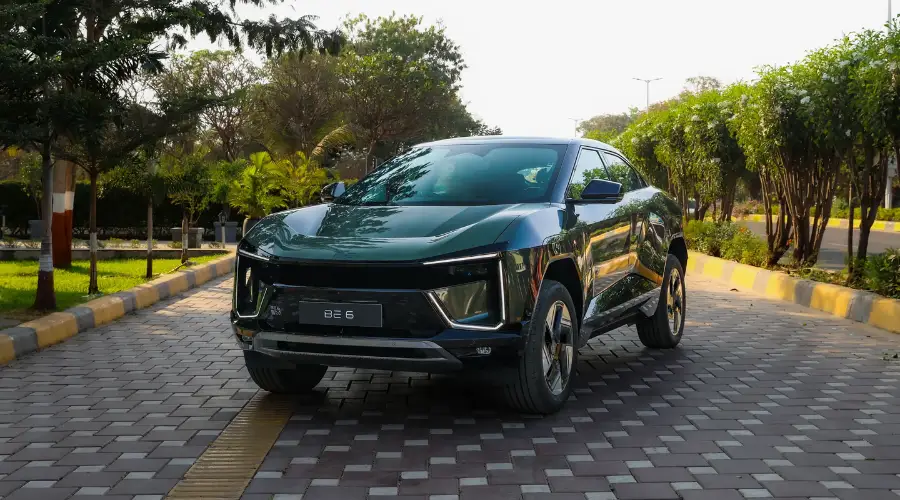
With the larger battery option, range approaches 682 km, which is class-leading and genuinely usable for long weekend drives without constant charging stops. Some higher variants do creep close to or slightly past ₹25 lakh, so it’s worth checking the exact trim before you commit. Still, for buyers chasing performance and range together, it’s hard to ignore.
Mahindra BE 6 Specifications
| Spec | Details |
| Battery | 59 kWh / 79 kWh |
| Power & Torque | Up to 282 bhp & 380 Nm |
| Range (ARAI) | Up to 682 km |
| Fast Charging | 20-80% in 20 minutes |
| Boot Space | 455 litres |
| Seating | 5 |
| Ground Clearance | 207 mm |
7. Tata Sierra EV
The Sierra name itself holds a great deal of nostalgia, and Tata has capitalized on it with its electric reincarnation. While the Sierra looks great in its retro design, its cabin is decidedly contemporary, offering a neat dashboard, quality interior materials, and plenty of room for a family of five. In terms of dimensions, the vehicle falls between the Nexon and the Harrier.
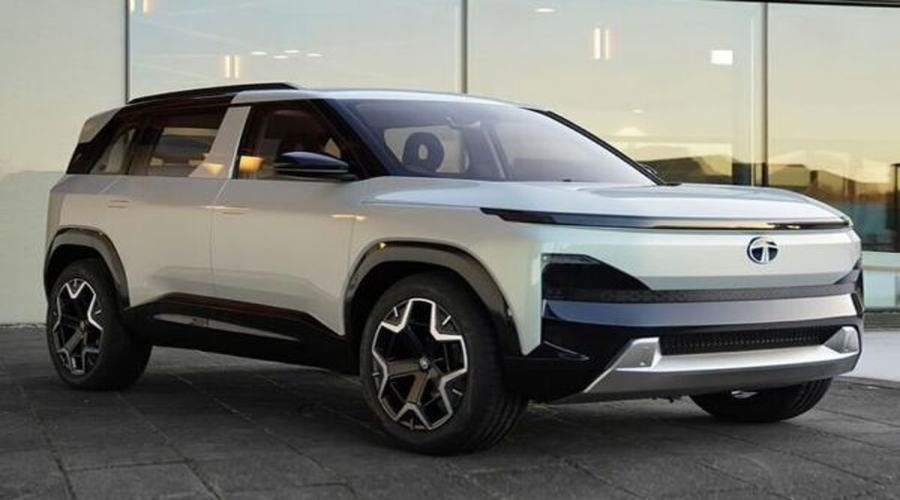
The range on the bigger battery goes up to 665 km, which is more than enough for most Indian buyers’ weekly routine. As a newer model to the market, it also comes packed with the latest safety and connectivity features that Tata has learned to offer over the years. If you want an EV that turns heads while staying practical, the Sierra EV is one of the freshest options on the market right now.
Tata Sierra EV Specifications
| Spec | Details |
| Battery | 63 kWh / 75 kWh |
| Power & Torque | Up to 313 bhp & 504 Nm (AWD) |
| 0-100 km/h | 5.8 seconds (AWD) |
| Range (ARAI/MIDC) | Up to 665 km |
| Fast Charging | 20-80% in 26 minutes |
| Boot Space | 622 litres |
| Seating | 5 |
| Ground Clearance | 205 mm |
How To Pick The Right One For You?
Don’t focus solely on the highest figure mentioned as the range in the specs list. Instead, think of your daily routine while choosing an electric vehicle. If you mostly drive around the city, the Punch EV and Windsor EV would work perfectly fine without having to spend unnecessarily.
Additionally, look at where the charging will be done. If there is a dedicated charger in your home or in your society, the limited-range issue is no longer a concern, and you can go for mid-sized batteries without losing much. However, if the plan is to use public charging stations, you may want to get a larger battery pack.
Final Thoughts
It is really the ₹25 lakh-and-below Electric Vehicles that have become interesting in India in 2026, and consumers finally have options to choose from. Be it an economically priced EV like Punch EV or something like the range-ready BE 6, you will have a choice. You could test them out and see which one suits you the best on a daily basis and makes the cut for your life.
FAQ
1. Which is the best EV under ₹25 lakh in India in 2026?
A. The best EV would depend on your requirements. While the Tata Nexon EV is the best overall option, the Tata Punch EV suits city travel, and the Mahindra BE 6 is perfect for long-range, performance-driven driving.
2. Which EV offers the longest driving range under ₹25 lakh?
A. Among these options, the Mahindra BE 6 offers the highest claimed range of up to 682 km on select variants. The Tata Sierra EV (up to 665 km) and Tata Curvv EV (up to 585 km) are also excellent choices for longer trips.
3. Are EVs under ₹25 lakh suitable for highway driving?
A. Yes. Cars such as the Tata Curvv EV, the Tata Nexon EV, the Mahindra BE 6, and the Tata Sierra EV have sufficient range and fast-charging capabilities to handle daily highway driving with ease.
4. Is home charging enough for daily EV use?
A. For most owners, yes. If you can install a home charger, charging overnight is usually enough for daily commuting, making EV ownership much more convenient and cost-effective.
5. Should I buy a smaller or larger battery EV?
A. If you mostly drive within the city, a smaller battery can save money without sacrificing practicality. If you frequently travel on highways or cover long distances, a larger battery offers greater convenience and fewer charging stops.